
Last updated November 17, 2026
 Furnace & heating
 Heat pumps
 Ductless mini splits
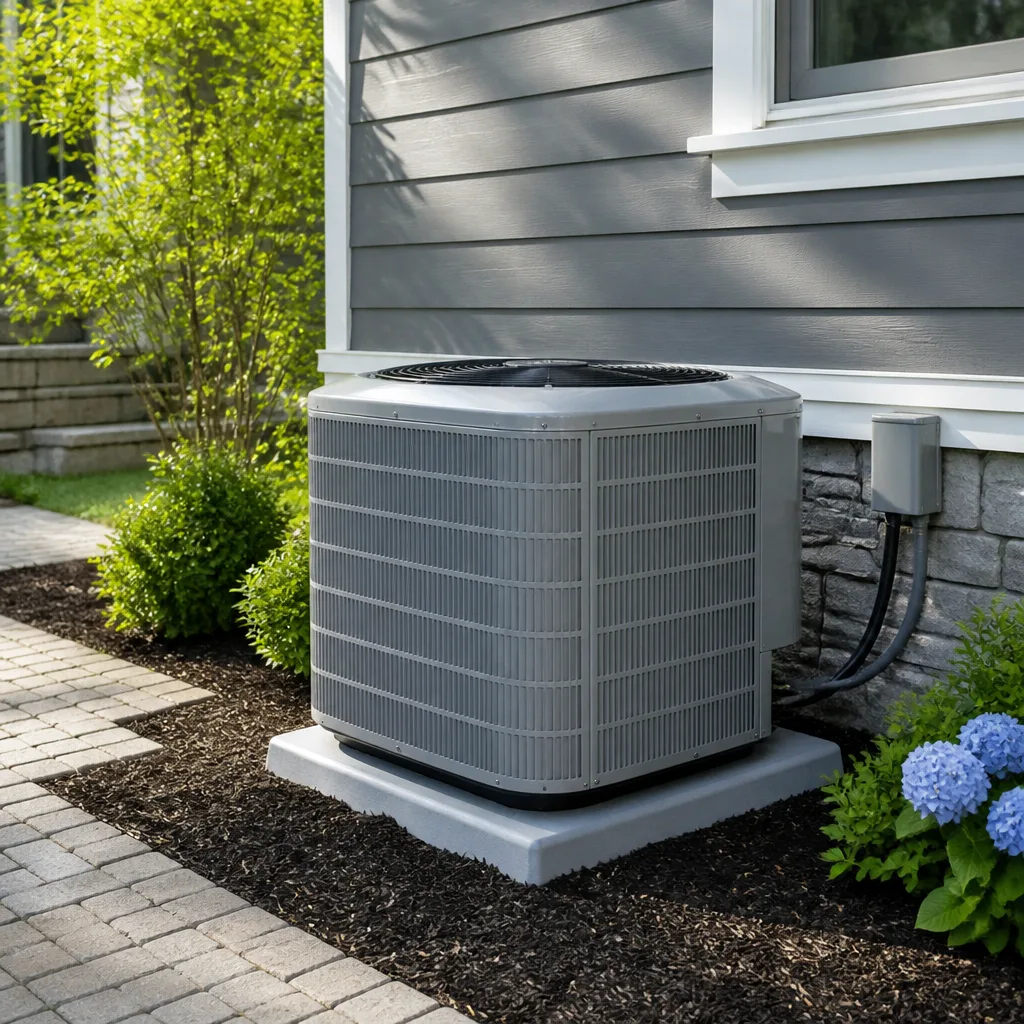 Carrier
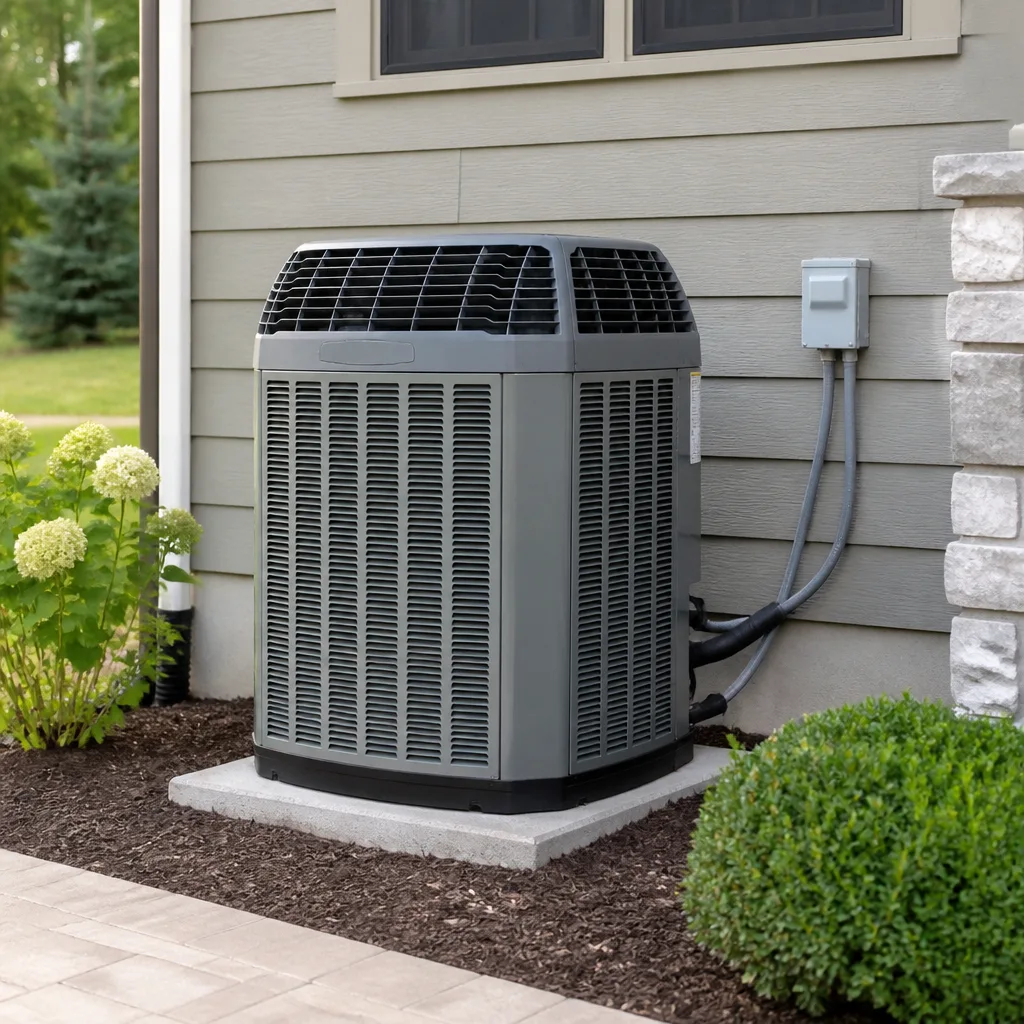 Trane
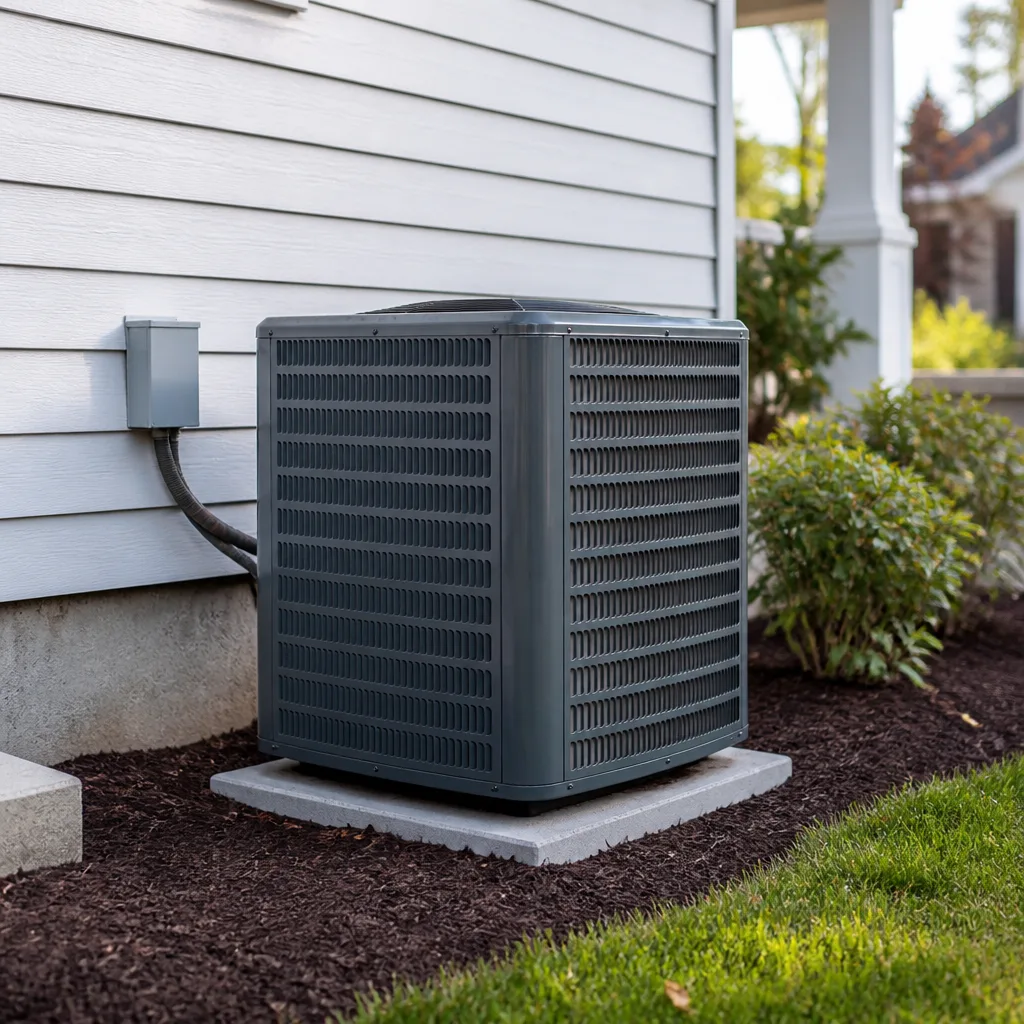 Goodman
Seasonal tune-up and full diagnostic on your Carrier, Trane, or Goodman system - readings shown to you before any repair is proposed
Diagnosis first, numbers second - you approve the repair price before a single part goes in.
Get your free estimateHow to Hire an HVAC Contractor in Boulder City: A Step-by-Step Guide
Most homeowners in Boulder City hire the contractor who answers first, not the one who’s best qualified. That’s the uncomfortable truth about a small-city contractor market: word-of-mouth fills schedules fast, and when your AC dies in July, the technician who can come out today isn’t automatically the one who should touch your equipment. Nevada requires HVAC contractors to hold a C-21b mechanical license, a credential most homeowners never ask to see. This guide walks you through exactly what to verify, what to ask on the phone, and how to read an estimate before you sign anything, so you end up with the qualified technician instead of just the available one.
Quick Answer
Hiring an HVAC contractor in Boulder City means three things: verify the contractor’s Nevada C-21b mechanical license through the state licensing board before any work begins, confirm they regularly pull mechanical permits through the City of Boulder City (not just the Clark County or Las Vegas metro system), and get a written estimate with itemized parts, labor, and warranty terms. A contractor who can’t produce a license number, a permit history, and a detailed written quote isn’t ready for your job.
Styles & brands we work with
- AC installation
- Furnace & heating
- Heat pumps
- Ductless mini splits
- Carrier
- Trane
- Goodman
Table of Contents
- Step 1: Verify the Nevada C-21b License
- Step 2: Confirm Boulder City Permit Experience
- Step 3: Ask These Five Questions on the Phone
- Step 4: Read the Written Estimate Line by Line
- Step 5: Compare Warranty Terms Carefully
- Step 6: Choose a Specialist Over a Generalist
- Common Mistakes to Avoid
- When to Call a Professional
- Frequently Asked Questions
Step 1: Verify the Nevada C-21b License
Before you let anyone touch your air conditioner, look up their license number through the Nevada State Contractors Board database. Nevada classifies HVAC work under a C-21b mechanical license, and working without it is illegal. Most homeowners never ask. Some contractors are perfectly happy to let you forget.
Here’s how to check it:
- Ask the contractor for their Nevada contractor license number during the initial phone call.
- Go to the Nevada State Contractors Board (NSCB) website and enter the number in the license search tool.
- Confirm the license is active, not expired or suspended, and that the classification includes C-21b mechanical work.
- Check that the license name matches the company you’re actually hiring, not a different business entity.
- Look for any disciplinary actions or complaints posted on the record.
A licensed contractor carries the bond and insurance that protect you if something goes wrong on your property. An unlicensed one doesn’t. In a city the size of Boulder City, there’s a real temptation to hire the helpful neighbor-of-a-neighbor who “knows AC.” Ask for the license number anyway. It takes two minutes to verify and it’s the single most important check in this entire guide. If the contractor hesitates or deflects, that’s your answer.
We can’t speak for every contractor in town, but we can tell you what to demand: a C-21b number you can look up yourself, before the first wrench turns.
Step 2: Confirm Boulder City Permit Experience
Boulder City runs its own permitting process. It is not part of the Clark County or Las Vegas metro permitting system, and that matters more than most homeowners realize. A contractor who works predominantly out of Las Vegas may know the county portal inside and out but never have pulled a mechanical permit through the City of Boulder City. That learning curve becomes your delay.
Replacing an air conditioning system typically requires a mechanical permit. The permit protects you in two ways: it confirms the work was inspected to code, and it creates a paper trail that matters if you ever sell the house. An unpermitted installation can complicate a sale, an insurance claim, or a future repair.
Ask the contractor directly: “Have you pulled mechanical permits through the City of Boulder City?” Follow up with “How long does that process usually take here?” A contractor with real Boulder City experience will answer without hesitation and can tell you how the city’s inspection schedule works. A generalist who mostly covers the Las Vegas valley will likely go quiet or say something vague about “handling the paperwork.”
This is one of the clearest filters you have. Boulder City is a small, distinct municipality, and its permit office operates on its own terms. A contractor who runs jobs here regularly knows the process cold. One who doesn’t will be learning it on your dime. For more on what a proper AC installation should involve from a permits standpoint, our installation breakdown covers the sequence.
Step 3: Ask These Five Questions on the Phone
You can screen out a generalist before anyone arrives at your door. The phone call is where it happens. Ask these five questions in order, and listen for specific, confident answers rather than vague reassurances.
- “What’s your Nevada C-21b license number?” A legitimate contractor has it ready to give. A generalist who does HVAC “on the side” of plumbing or handyman work often doesn’t.
- “Have you pulled a mechanical permit through the City of Boulder City before?” The answer should be yes, with no hedging. “We usually let the homeowner handle that” is a red flag.
- “Do you service multiple AC brands, or just one?” A specialist trained across the major manufacturers can work on the brand you already have rather than steering you toward whatever they happen to install.
- “Will the estimate be written, itemized, and free?” You want a document that breaks out parts, labor, and warranty, not a verbal ballpark.
- “Is HVAC your only trade, or do you also do plumbing, electrical, or heating?” There’s no wrong answer in terms of legality, but a dedicated AC specialist has a narrower focus and, usually, deeper diagnostics.
Notice what these questions have in common. None of them ask about price. Price comes later, after you know whether the person quoting it is qualified to do the work. Homeowners who lead with “how much” get quoted by whoever picks up first. Homeowners who lead with credentials get the right technician. In a city like Boulder City, where the contractor pool is small and schedules fill quickly, that order of operations is what separates a good hire from an expensive lesson.
If you’d rather start with a company that keeps AC as its only focus, we handle AC repair and nothing else, and our technicians have up to 12 years of experience. Ask us the same five questions. We’ll pass them all.
Step 4: Read the Written Estimate Line by Line
A written estimate protects you only if you actually read it. Vague line items are where final invoices quietly inflate. The estimate should tell you exactly what you’re paying for, and it should be specific enough that a different contractor could price the identical job from the same document.
Here’s what a solid estimate includes, and what to watch for:
- Equipment make and model number. Not just “3-ton condenser” but the specific unit. If you’re comparing brands like Carrier or Trane against a budget option like Goodman, the model number is how you check the warranty and the efficiency rating.
- Parts listed separately from labor. A single lump sum hides the markup. You want to see what the part costs and what the labor costs.
- Labor hours or a flat-rate description. “Labor: to be determined” is not an estimate. It’s a blank check.
- Warranty terms spelled out. Parts warranty duration, labor warranty duration, and who honors each.
- Permit fees as their own line. If permits are required for your job (and they usually are for a replacement), the fee should be visible, not folded into a mystery total.
- Any diagnostic charge disclosed up front. It should be stated in writing on the quote, not sprung at the door.
Watch for line items like “miscellaneous materials,” “shop supplies,” or “adjustments” with no detail. These are the phrases that let a final invoice creep upward after the work is done. Ask the contractor to itemize them or remove them. A straight dealer will do it without complaint.
And remember: the written estimate sets the final price. The number on the signed document is what you should pay, barring a change you authorize mid-job. Get the estimate in writing before the technician starts, and don’t accept a verbal estimate on a repair of any real size in Boulder City.
Step 5: Compare Warranty Terms Carefully
Warranty terms on parts and labor often differ structurally between a dedicated AC specialist and a generalist HVAC company. The manufacturer’s parts warranty is usually standardized across brands, but the labor warranty is where the fine print lives, and it’s where you find real differences.
Here’s what to compare:
- Parts warranty length. Often set by the manufacturer (Carrier, Trane, Lennox, and Goodman all publish standard terms), but the contractor should tell you exactly what applies to your model.
- Labor warranty length. This is the contractor’s own promise. Some offer a full year on labor, some offer ninety days, some offer none. Get it in writing.
- Who honors the warranty. If the labor warranty is from the contractor, what happens if they’re unavailable? A generalist’s boilerplate may not cover callbacks the way a specialist’s does.
- Whether the warranty is prorated. A prorated parts warranty means the manufacturer covers less of the cost as the years pass. Ask.
- What voids the warranty. Unpermitted installation, DIY repairs, or using non-approved parts can void coverage. This is another reason permits matter.
The structural difference matters because a specialist who installs, maintains, and repairs the same equipment owns the full warranty chain. If the install is done by one company and the repair by another, and something fails in between, you can end up in a finger-pointing loop. When a single company handles the installation, the maintenance, and any future repair, there’s one party accountable from start to finish. That’s why we cover AC from start to finish rather than handing off one stage and picking up another.
Read the warranty section of any estimate the way you’d read a lease. It’s the part most homeowners skip, and it’s the part that costs them when something goes wrong two summers later in Boulder City heat.
Step 6: Choose a Specialist Over a Generalist
There’s a structural argument for hiring an AC specialist over a generalist HVAC contractor, and it has nothing to do with marketing. A generalist splits attention across heating, plumbing, electrical, and other trades. A dedicated AC company puts every technician’s focus on air conditioning alone, which means deeper familiarity with the systems, the refrigerants, the diagnostics, and the brands homeowners actually own.
Boulder City summers put real strain on air conditioning. Temperatures climb and stay there, and a system that’s marginal in a milder climate becomes a system that fails here. A technician who works on AC every day, in this heat, knows what fails first and why. That’s the difference between a repair that lasts and a repair that’s back in six weeks.
We’re AC-only, and that’s deliberate. Our technicians aren’t divided across multiple trades, so they’re not splitting their attention between a furnace call and an AC call. We service the brands most homeowners already have, including Carrier, Trane, Lennox, and Goodman, along with the other major manufacturers. We don’t steer you toward a specific brand because it’s what we happen to stock; the recommendation is based on your system and your budget. That’s the right fix, not the easiest upsell.
When you’re evaluating contractors in Boulder City, ask what their actual service mix looks like. If the answer is “we do everything,” that’s fine for a lot of homes. But if your AC is a real investment you want to protect, a specialist who lives and breathes cooling is the safer hire. You can learn more about how we approach service in Boulder City on our city page.
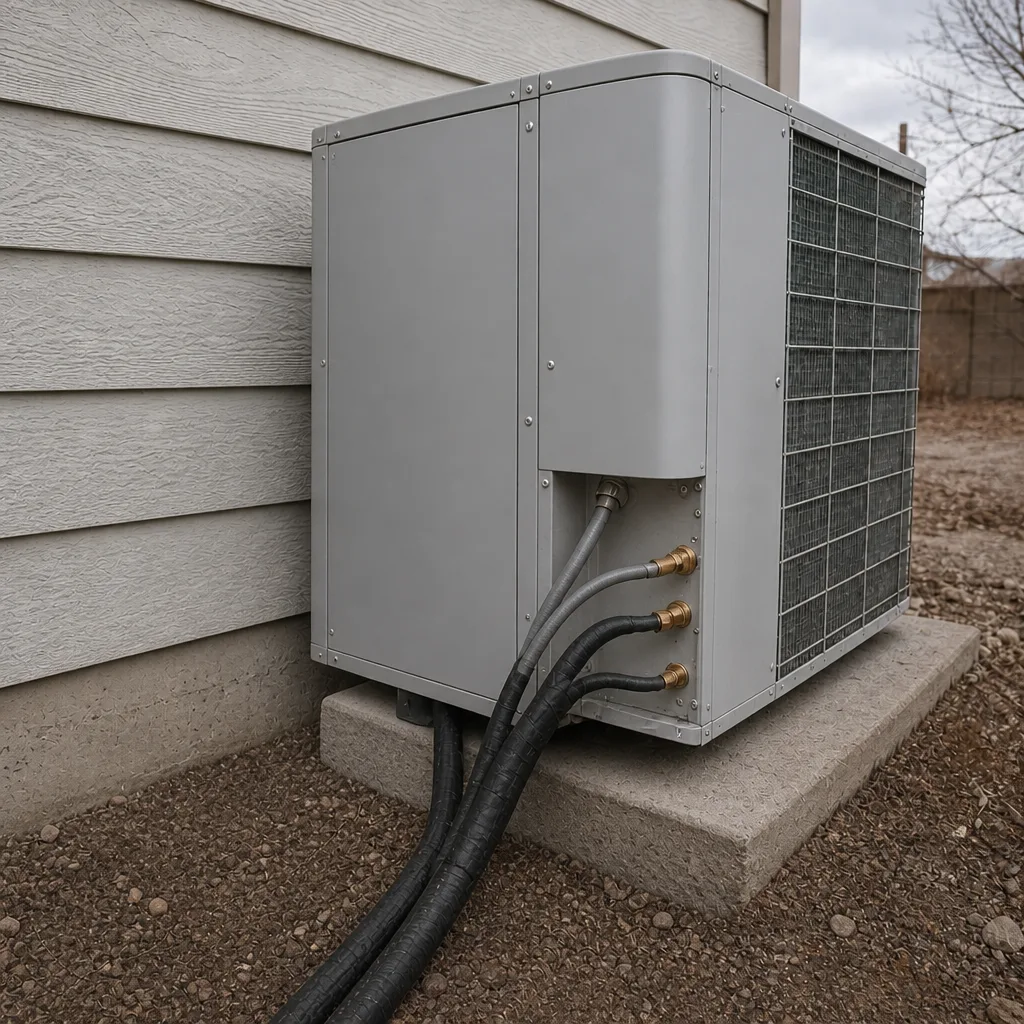
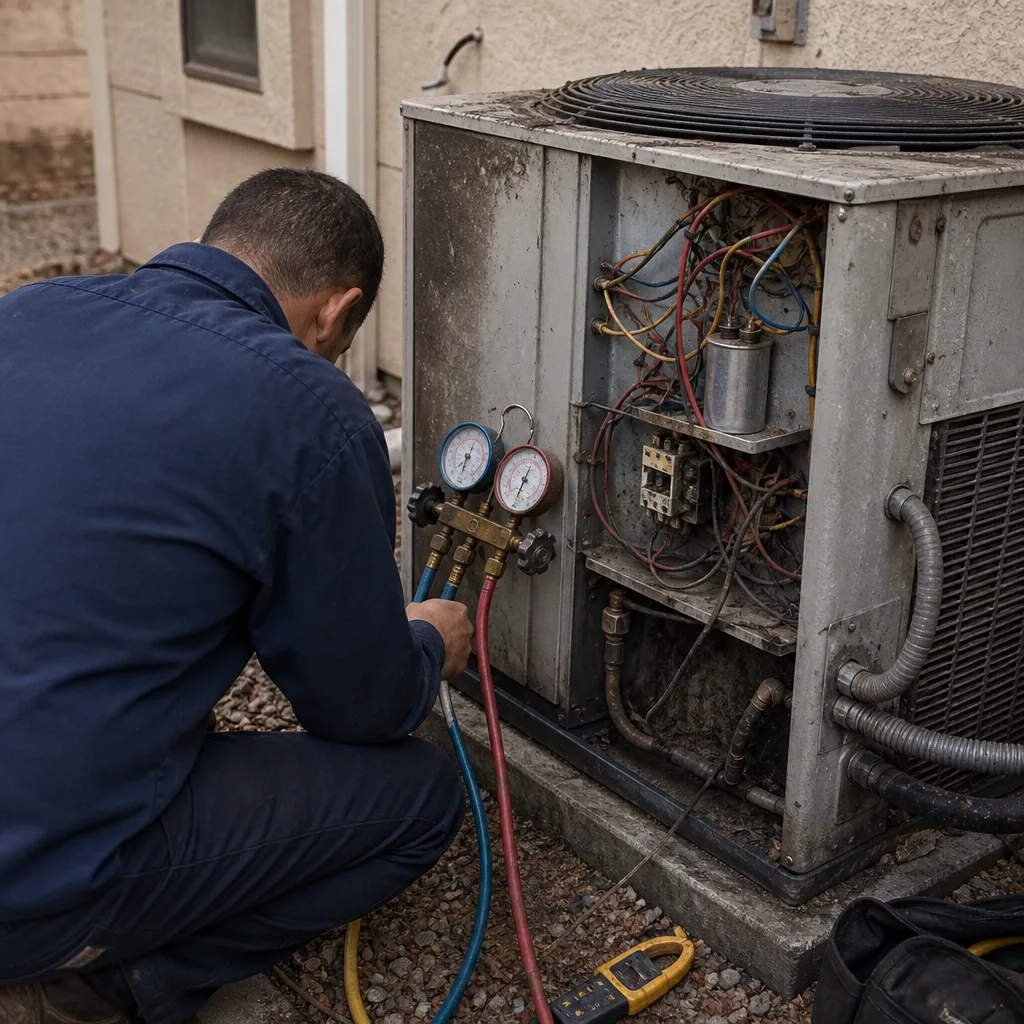
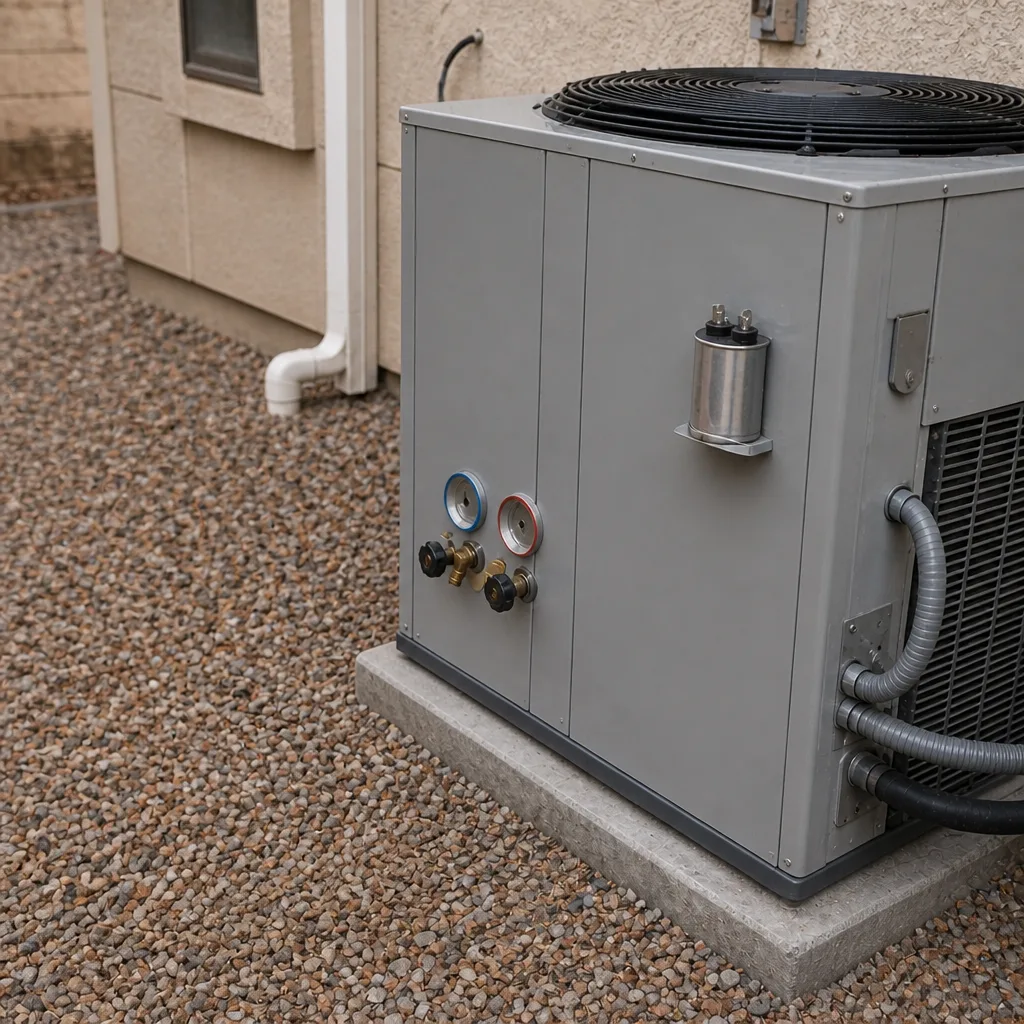
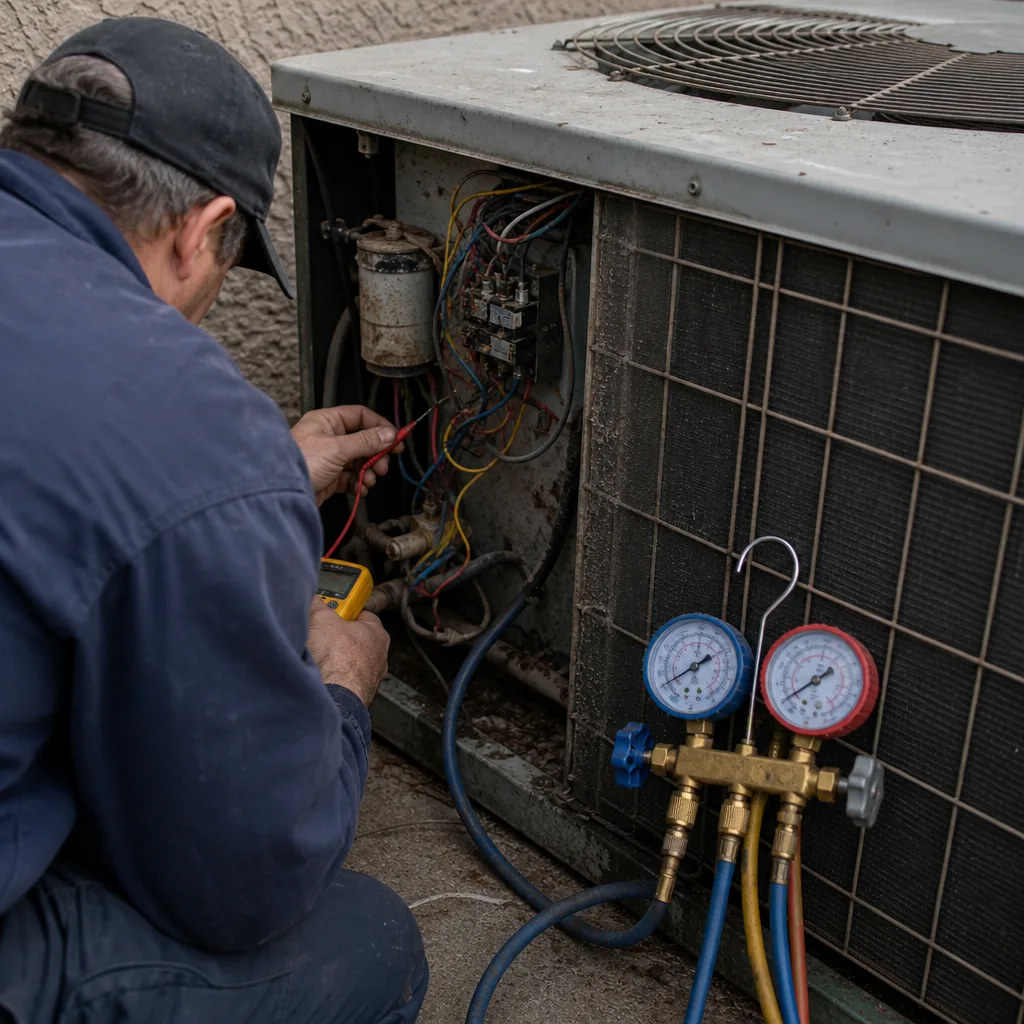
See the difference
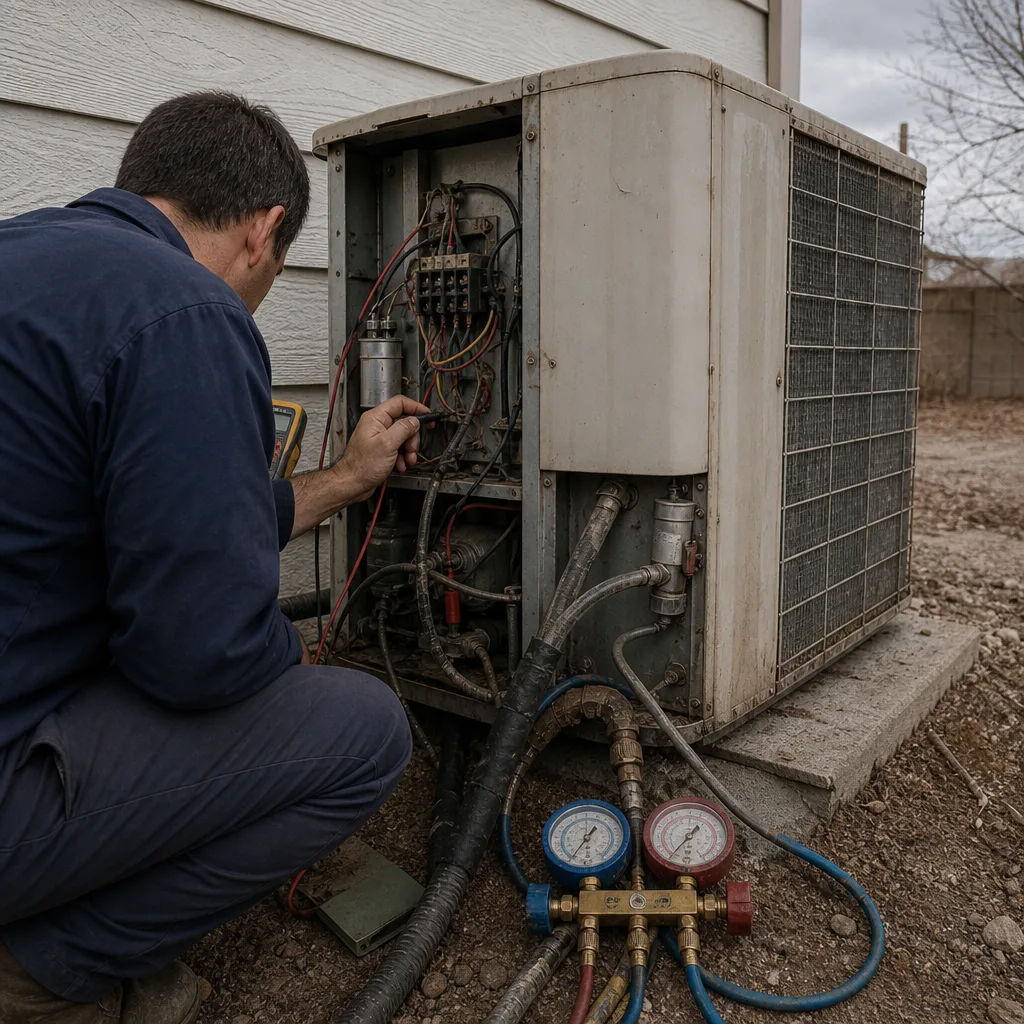 Before
 After
 Before
 After
 Before
 After
Common Mistakes to Avoid
- Hiring without checking the license. Asking for the C-21b number takes seconds. Skipping that step can leave you with unpermitted work and no recourse if something goes wrong.
- Assuming the Las Vegas metro permit process applies. Boulder City runs its own permitting. A contractor who’s only worked through Clark County portals may not know the city’s inspection rhythm.
- Accepting a verbal estimate. A range spoken on the phone isn’t a quote. Without a written, itemized estimate, you have nothing to hold the contractor to if the final invoice climbs.
- Taking the first available appointment. In a small market, the fastest pickup isn’t always the most qualified. Screen the contractor before you schedule.
- Letting the contractor choose the brand for you. If a technician only recommends the brand they stock, you’re not getting a recommendation, you’re getting inventory cleared. Ask why that specific model fits your home and budget.
- Skipping the warranty comparison. A one-year labor warranty and a ninety-day labor warranty are very different promises. Read the fine print before you sign.
- Not asking who handles the maintenance after the install. If the installer won’t maintain the system they put in, you’re starting over with a new company at the first tune-up.
When to Call a Professional
Some AC problems are worth a look yourself: a tripped breaker, a clogged filter, a thermostat set to the wrong mode. Anything involving refrigerant, electrical components inside the unit, or a compressor is not a DIY job. Call a licensed professional. If your system is blowing warm air in the middle of summer, short-cycling repeatedly, leaking water, or making a noise it didn’t make last week, those are signs something needs a trained eye. In Boulder City’s heat, a system that’s struggling on a mild day will fail outright on a brutal one, so don’t wait for the failure. AC Repair Boulder City offers free estimates in Boulder City. Call (888) 906-2267. We answer 24/7, with fast dispatch from 7am to 7pm, Sunday through Friday.
Frequently Asked Questions
Ask for their Nevada contractor license number, then look it up in the Nevada State Contractors Board database. The license should show as active and include the C-21b mechanical classification that covers HVAC work. If the contractor can’t or won’t give you the number, don’t hire them. Call (888) 906-2267 for a free estimate from a licensed contractor.
Mechanical permits are typically required for an AC replacement, and Boulder City issues them through its own city process rather than the Clark County or Las Vegas metro system. Ask your contractor whether they’ve pulled mechanical permits through the City of Boulder City before. If they haven’t, that’s a reason to keep looking. Call (888) 906-2267 for an estimate and we’ll walk you through what your job needs.
A generalist handles heating, cooling, and often plumbing or electrical work, so their attention is divided. An AC specialist focuses on air conditioning alone, which means deeper familiarity with the equipment and the brands most homeowners own. For AC-specific work, a specialist usually brings sharper diagnostics. Call (888) 906-2267 to talk through your system.
Look for specific equipment model numbers, parts and labor broken out separately, and warranty terms spelled out in full. Vague items like “miscellaneous materials” or “shop supplies” with no detail are where final invoices quietly climb. Ask for those to be itemized or removed. Call (888) 906-2267 for a free written estimate you can read line by line.
Boulder City operates its own permitting process separate from the Las Vegas metro system. A contractor who’s never pulled a permit here may not know the inspection schedule or the local requirements, which can delay your job. Local experience keeps the process moving. Call (888) 906-2267 for a free estimate.
Age, repair history, refrigerant type, and the size of the repair all feed the decision, and there’s no universal cutoff. A technician should give you a written comparison of a repair versus a replacement before you commit to either. Call (888) 906-2267 for a free estimate and an honest look at your system.
The Bottom Line
Hiring an HVAC contractor in Boulder City comes down to verification, not guesswork. Ask for the C-21b license number and look it up. Confirm they’ve pulled mechanical permits through the City of Boulder City specifically. Use the five phone questions to filter out generalists before anyone shows up. Read the written estimate for itemized parts, labor, and permits, and compare warranty terms on both parts and labor. Then choose the contractor whose focus matches the work. In a city with a small contractor pool, the homeowner who does these checks ends up with the qualified technician, not just the available one. Our team at AC Repair Boulder City works on the brand you already have, with technicians who have up to 12 years of experience and a service scope limited to AC repair, installation, and maintenance.
For a free estimate, call (888) 906-2267. We answer 24/7. Fast dispatch from 7am to 7pm, Sunday through Friday, no overtime charge. The written estimate sets the price, so you know what you’re paying before we start. Visit our AC Repair Boulder City page to see how our specialty focus applies to your system, or read about AC repair and AC installation to understand what each service covers. We also work across Boulder City, so if you’re local, you already know the summers.
Written by the team at AC Repair Boulder City.