
Last updated November 18, 2026
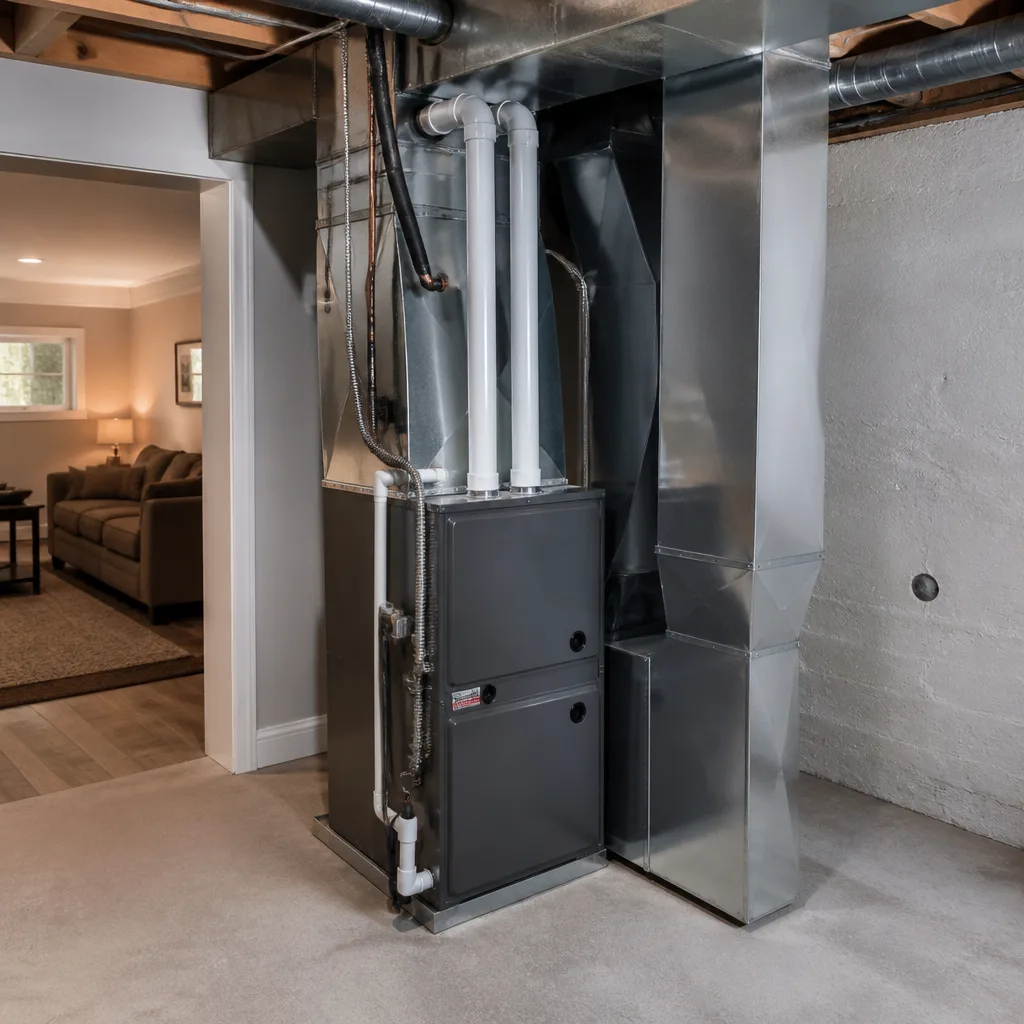 Furnace & heating
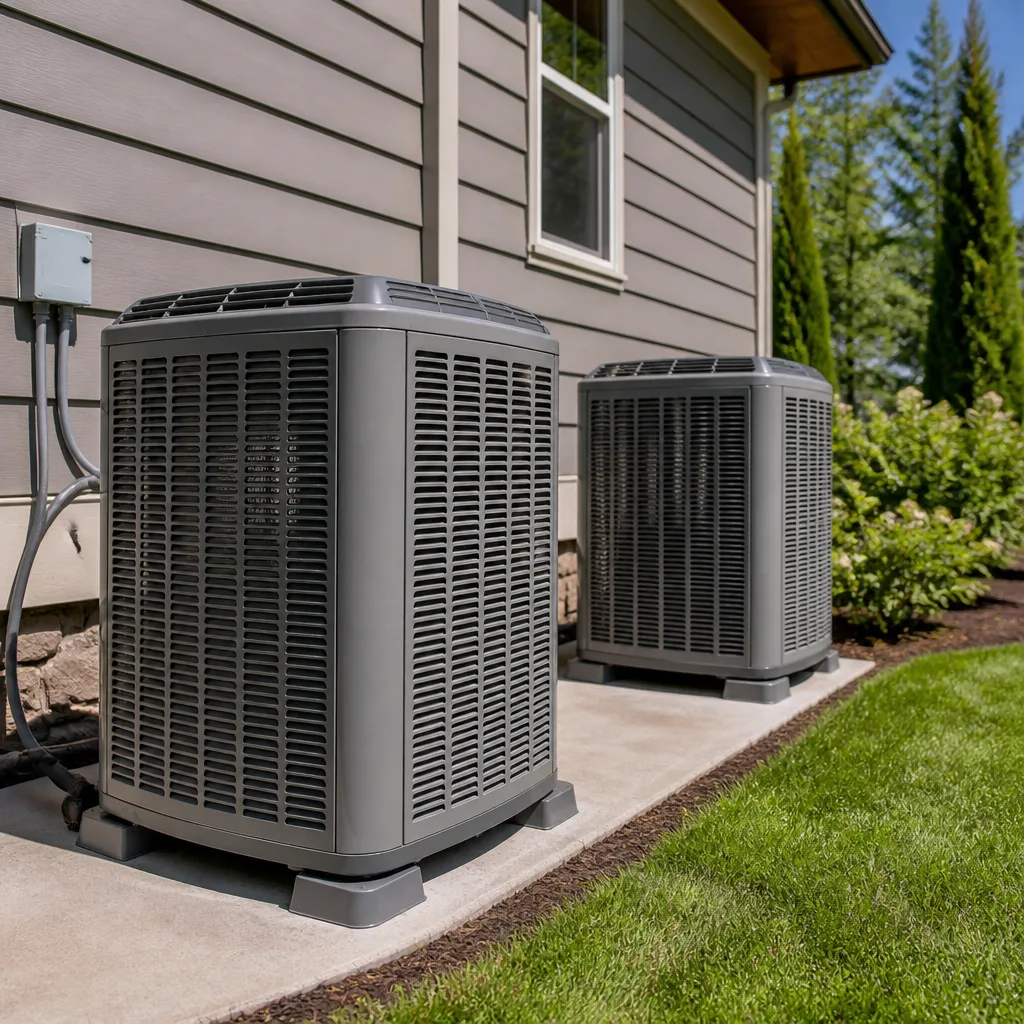 Heat pumps
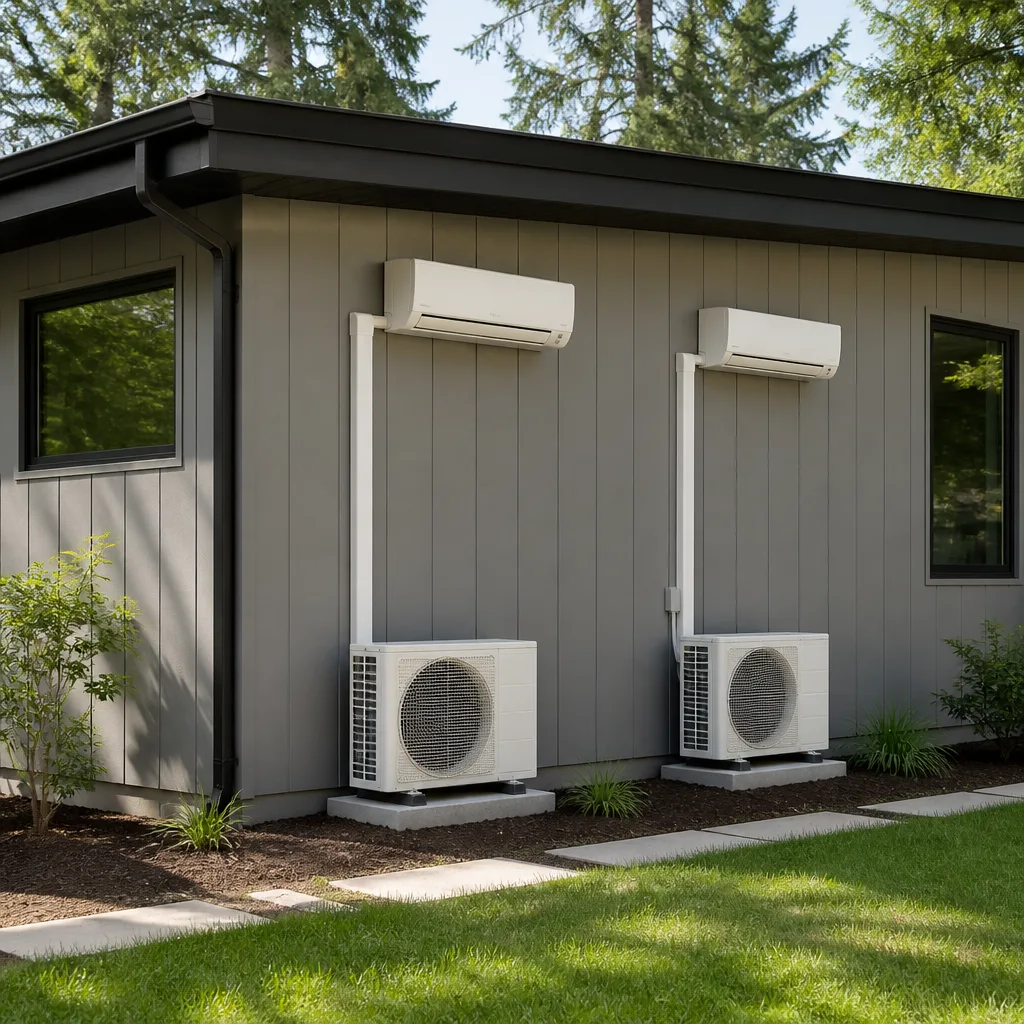 Ductless mini splits
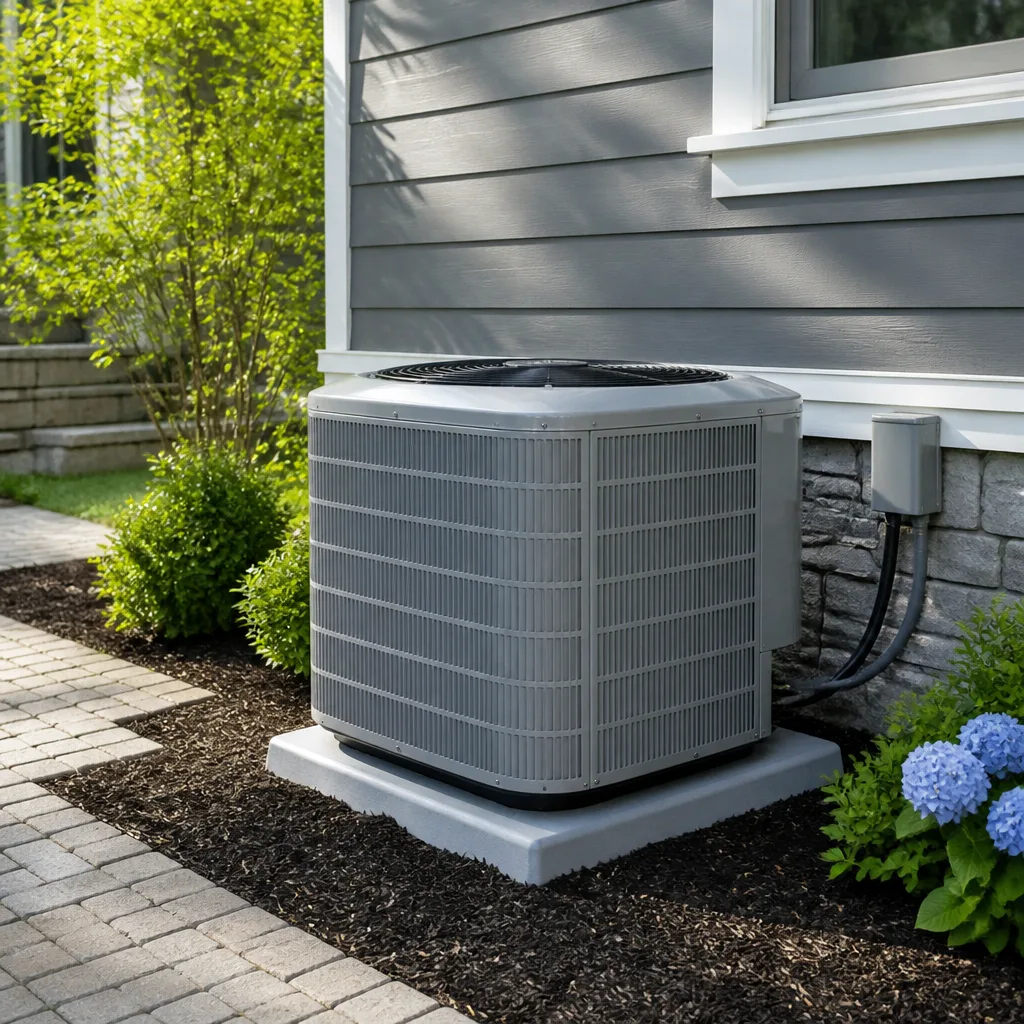 Carrier
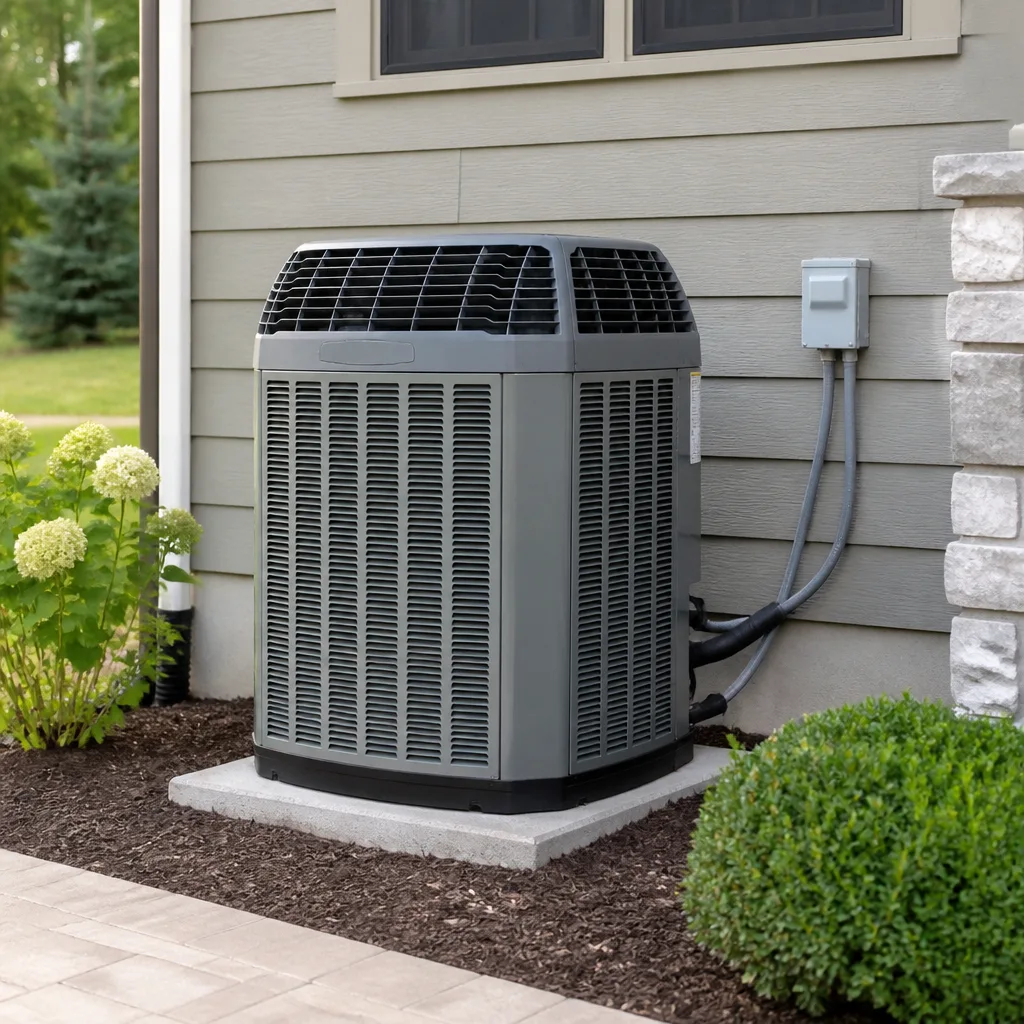 Trane
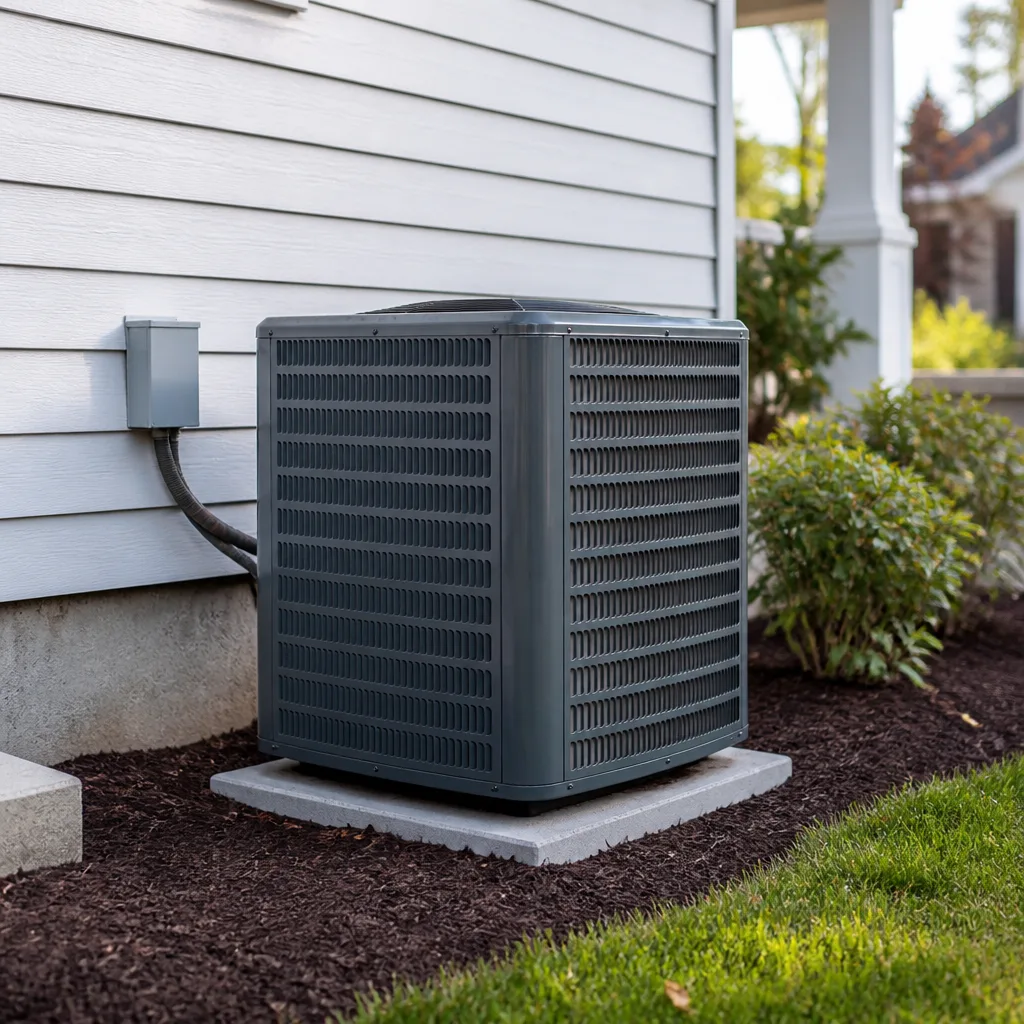 Goodman
Seasonal tune-up and full diagnostic on your Carrier, Trane, or Goodman system - readings shown to you before any repair is proposed
Diagnosis first, numbers second - you approve the repair price before a single part goes in.
Get your free estimateHVAC Cost Breakdown: The Boulder City Homeowner’s Reference for 2026
Most AC cost guides are built on national averages, and national averages are built on mild-climate markets where a system runs a few hundred hours a year. Boulder City is not that market. Here, equipment runs hard through a long desert summer, and that changes the math on nearly every repair and replacement decision. The numbers you see on big comparison sites tend to sit low for our area, which leaves homeowners guessing at budgets that don’t match reality.
This guide breaks the costs down by component, by equipment tier, and by the local factors most guides skip: the small contractor market, distribution distance from Las Vegas, and how city permit fees land in a total install price. You’ll get ranges for the five most common desert-climate repairs, a clear repair-versus-replace threshold, and a straight answer on what’s negotiable in an estimate and what isn’t.
Styles & brands we work with
- AC installation
- Furnace & heating
- Heat pumps
- Ductless mini splits
- Carrier
- Trane
- Goodman
Quick Answer
AC repair in Boulder City in 2026 typically runs about $180 for a capacitor replacement up to roughly $950 for a blower motor, with most single repairs landing between $250 and $650. A full system replacement usually falls between $6,500 and $13,500 depending on equipment tier and how much duct and electrical work the job needs. Written estimates set the final price on every job, and our estimates are free.
Table of Contents
- Why Boulder City AC Costs Differ From National Averages
- Component-Level Costs for the Five Most Common Desert Repairs
- How Permit Fees Shape the Installation Total
- New Installation Cost by Equipment Tier
- Repair or Replace? The Dollar Thresholds That Decide It
- What’s Negotiable in a Written Estimate and What Isn’t
- Maintenance Costs and What They Actually Buy
- Common Mistakes to Avoid
- When to Call a Professional
- Frequently Asked Questions
- The Bottom Line
Why Boulder City AC Costs Differ From National Averages
National cost tools pull data from millions of jobs across every climate zone, then average them together. That averaging flatters mild markets and undersells hard-running ones. Boulder City sits at the edge of the Mojave, where summer temperatures push past 110 degrees and cooling systems log far more runtime hours per year than the national mean. More runtime means more cycling, more electrical stress on components, and a higher replacement rate on parts like capacitors and contactors. When parts fail more often, the labor hours attached to those failures go up too.
There’s a second factor most guides never mention: the size of the local contractor market. Boulder City is a small city with a limited pool of technicians, and every job competes for the same qualified hands during peak season. Larger markets absorb demand spikes with more labor supply. Smaller markets feel them directly. That doesn’t mean Boulder City pricing is inflated. It means the labor component of an estimate reflects a genuinely tighter market than a Henderson or Las Vegas average would suggest.
The third factor is distance. Distribution for major manufacturers runs primarily out of Las Vegas, and parts that aren’t stocked locally arrive on a truck from there. Routine components move fast. Less common parts, including some Lennox and York control boards, can add a day or two to a repair timeline and sometimes a small freight component to the estimate. A guide that ignores supply distance will always quote low.
For a full picture of how we handle these jobs, see our AC repair service, where the estimate is written before any work starts.
Component-Level Costs for the Five Most Common Desert Repairs
These five repairs account for the large majority of summer service work in the desert. The ranges below are typical for the Boulder City market in 2026 and reflect the job as a whole: parts, diagnostic time, labor, and any test and adjust work. Prices are estimates. The written estimate sets the final number.
| Repair | Typical Cost Range | What’s Involved |
|---|---|---|
| Capacitor replacement | $180 – $320 | Failed start or run capacitor replaced, electrical checked, system cycled and verified |
| Contactor replacement | $200 – $350 | Pitted or stuck contactor swapped, voltage checked at the low-voltage circuit |
| Refrigerant recharge | $280 – $650 | Leak located, charge measured and adjusted; cost depends on refrigerant type and leak severity |
| TXV valve replacement | $450 – $850 | Thermostatic expansion valve replaced, system evacuated, charge restored and tuned |
| Blower motor replacement | $450 – $950 | Failed blower motor pulled and replaced, airflow measured, capacitor matched to the new motor |
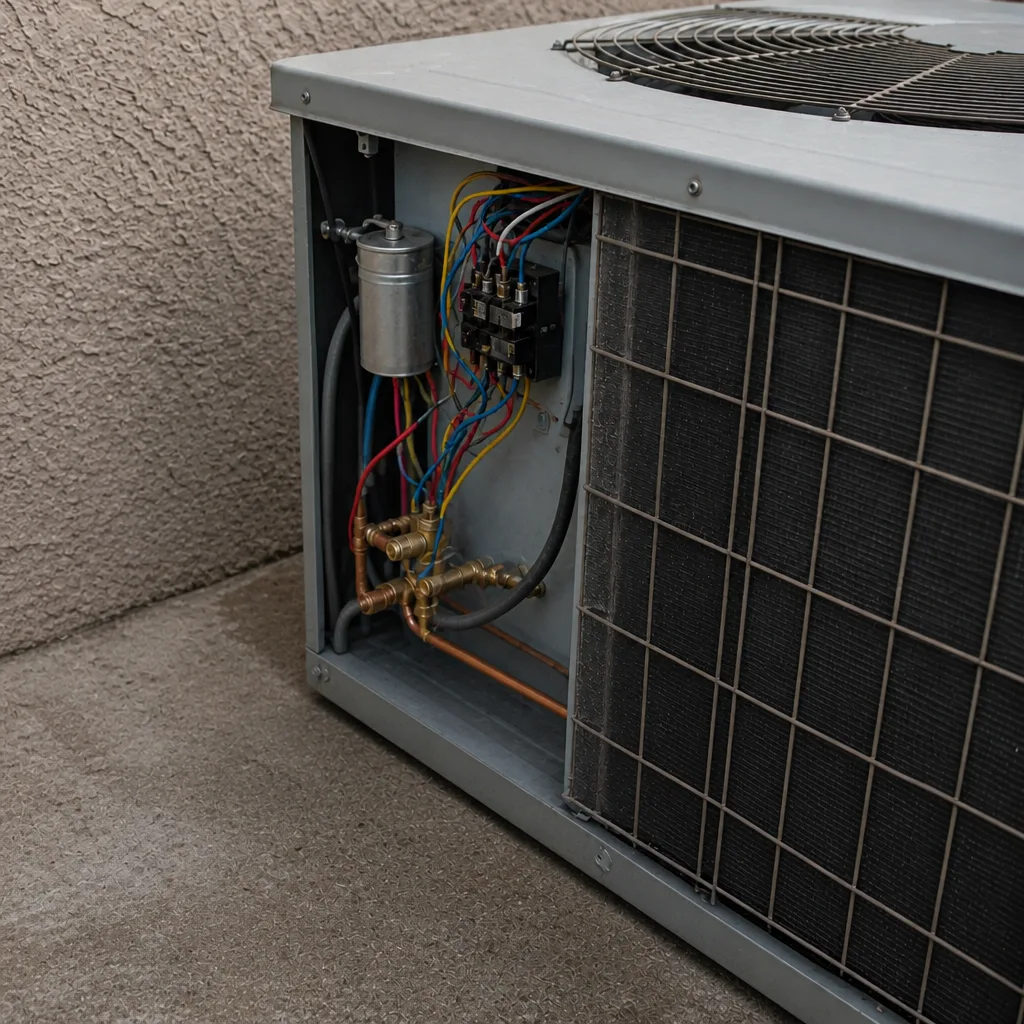
A capacitor is the cheapest fix on the list and, in our experience, the one most likely to fail first in a hot climate. Contactors pit from repeated cycling. Refrigerant recharges sit at the top of their range when a leak has to be found first, because a recharge without a leak repair just repeats itself next season.
The TXV and blower motor are the two repairs where homeowners most often pause and ask whether the system is worth keeping. Those are fair questions, and we’ll come back to them in the repair-versus-replace section.
How Permit Fees Shape the Installation Total
Permit costs are a line item a lot of install quotes gloss over, and they’re part of why a Boulder City installation total won’t line up perfectly with a Henderson or Las Vegas estimate. When a contractor pulls a mechanical permit for a system replacement, the fee is tied to the valuation of the work and to the permit schedule your city uses. That schedule isn’t identical city to city.
What this means for budgeting: a straight equipment-for-equipment swap usually carries a smaller permit fee than a job that changes the system’s capacity, adds a new circuit, or reworks ductwork. If a quote shows a permit line and another quote doesn’t, ask why. A legitimate install in most jurisdictions requires the permit, and skipping it can create a problem at resale or after a future inspection.
- Ask for the permit line separately. A written estimate should show permit cost as its own item, not folded into labor as an unexplained round number.
- Match scope to permit. A like-for-like replacement should have a smaller permit figure than a capacity change or duct rework. If it doesn’t, ask what changed.
- Confirm the permit is actually pulled. The cost is only real if the work gets inspected. Ask who files and who schedules the inspection.
- Budget for inspection scheduling. The install date and the inspection date aren’t always the same day, so plan around it.
For a step-by-step on how we handle the install itself, see AC installation. Permits, inspection, and haul-away are part of the written scope.
New Installation Cost by Equipment Tier
System replacement is the single largest HVAC expense a homeowner faces, and the range is wide because the equipment matters. The tiers below are typical for Boulder City in 2026 and assume a standard residential split system, existing ductwork in reasonable condition, and no major electrical upgrade. Final pricing comes from the written estimate after the load calculation and duct inspection.
- Standard tier (entry single-stage, around 14.3 SEER2): $6,500 – $8,500 installed. The workhorse option. Good for a modest home with average cooling load and a homeowner who wants the lowest upfront number.
- Mid-efficiency tier (two-stage or higher SEER2): $8,000 – $10,500 installed. Better humidity control, quieter operation, and lower runtime, which matters in a market where the system runs hard.
- High-efficiency tier (variable-speed, top SEER2 bands): $10,500 – $13,500 plus installed. Best comfort and lowest energy use per hour of cooling, with the longest payback window.
SEER2 is the current efficiency rating standard, and it’s scored differently than the older SEER numbers you may see in older guides. In a climate zone like ours, the equipment has to work harder through summer, so the efficiency gap between tiers shows up more in monthly bills than it would in a mild market. That doesn’t automatically make the highest tier the right buy. It means the math deserves a real look rather than a rule of thumb.
We service and install the brands most homeowners already own, including Lennox, Goodman, and Rheem, so a replacement doesn’t require a leap to unfamiliar equipment. Recommendations follow the system’s condition and your budget, not whichever brand we happen to favor.
Repair or Replace? The Dollar Thresholds That Decide It
Some repair-or-replace calls are obvious. Others genuinely aren’t, and anyone who tells you otherwise is selling something. Here’s how the math usually breaks down, using the age of the system, the size of the repair, and the efficiency of the equipment as the three inputs.
Repair is the clear call when:
- The system is under 8 years old and the repair is under $500.
- The repair is a component with no bearing on the compressor or the refrigerant circuit (capacitor, contactor, blower motor).
- Repair cost is under roughly a third of a new standard-tier install, and the system has several good years left.
Replacement is the clear call when:
- The compressor has failed and the system is past 12 years old.
- A refrigerant leak is buried in the coil or the line set and the repair approaches half the cost of new equipment.
- Repairs are stacking up within a single season, which usually signals the equipment is near the end of its useful life.
The genuinely ambiguous middle: a system between 8 and 12 years old, facing a repair in the $700 to $1,200 range, still running on older efficiency equipment. Below around $700 on a system that age, repair usually wins. Above around $1,200 with a system past 10 years and higher-efficiency options available, replacement usually wins on lifetime cost. Between those numbers, the decision comes down to your own timeline: how long you plan to stay in the home, and whether a lower bill matters to you now or later.
We give the honest answer either way. The right fix, not the easiest upsell.
What’s Negotiable in a Written Estimate and What Isn’t
Homeowners often assume an estimate is either take-it-or-leave-it or fully negotiable. Neither is true. Some lines reflect real choices with real price differences. Others reflect hard costs no contractor can compress without cutting something that shouldn’t be cut.
Negotiable (in the sense that choices change the number):
- Equipment tier and brand. A standard-tier Goodman and a high-efficiency Lennox are different price points, and both are legitimate choices.
- Scope sequencing. Splitting a repair and a duct fix into two visits vs. one can change labor hours.
- Filter grade and accessories. Better filtration and smart thermostats add cost but are your call.
- Timeline. A scheduled install with equipment ordered ahead of time often prices differently from an urgent one.
Not negotiable (hard costs):
- The permit fee. It’s set by the city, not by the contractor.
- Refrigerant cost. The price of refrigerant is a market input.
- Labor hours for the job. A blower motor takes what it takes.
- Haul-away and disposal of old equipment. There’s a real cost attached.
- Load calculation and duct inspection on a replacement. Skipping these to save money usually costs more later.
The estimate is free, and every line item should be explained before you sign. Ask what’s a hard cost and what’s a choice. A good contractor will draw the line clearly.
Maintenance Costs and What They Actually Buy
AC maintenance in Boulder City typically runs a flat per-visit price for a full tune-up: coil cleaning, refrigerant charge check, capacitor and contactor inspection, blower and drain line check, and a written report of what was found. The flat price matters because it removes the incentive to find things. Our technicians aren’t paid on what they sell, and the report tells you what the system actually needs versus what can wait.
In a market where equipment runs hard, maintenance earns its price in two ways. First, it catches the small stuff before it becomes a summer failure: a capacitor that’s drifted out of spec, a contactor starting to pit, a drain line beginning to clog. Second, it protects the refrigerant circuit. A slightly undercharged system works harder and longer, and hard work is what wears equipment out. The written report is the real deliverable. It tells you what was checked and what was found, so you’re making decisions on facts rather than a sales pitch.
If you’re on the fence about whether maintenance is worth it for an older system, the honest answer depends on the system’s remaining life. For a unit with a few good years left, maintenance is usually worth it. For one already at the repair-versus-replace line, put the money toward the decision instead.
Common Mistakes to Avoid
- Trusting a national average as your budget. Big comparison sites average in mild markets and run low for Boulder City. Budget above the published range, and ask for a written estimate that matches your actual job.
- Recharging refrigerant without finding the leak. A recharge that skips the leak search just repeats next season. Insist on a leak location before the charge is restored.
- Skipping the permit to save on the install total. Most jurisdictions require a mechanical permit for a system replacement, and skipping it can create problems at resale or after a future inspection. Ask for the permit line separately.
- Buying top-tier efficiency on a home that doesn’t need it. High-efficiency equipment returns less in a small, well-shaded home than in a large, west-facing one. Let the load calculation drive the tier rather than the other way around.
- Replacing equipment when the ductwork is the problem. A new system on leaking or undersized ducts won’t deliver the comfort you paid for. Have the ducts inspected before you commit to new equipment.
- Ignoring a written report on maintenance visits. A maintenance visit that finds nothing wrong is worth having in writing. A report that lists items and lets you decide what to fix is the one you want.
- Choosing a contractor by lowest quote alone. A quote that leaves out the permit, the haul-away, or the load calculation isn’t lower. It’s incomplete. Compare line by line.
When to Call a Professional
Some AC problems are genuinely safe to look at yourself, and some aren’t. Refrigerant circuits, high-voltage electrical components, and the compressor all fall into the second group. If a system is blowing warm air, tripping the breaker, leaking water, making a grinding or screeching noise, or showing ice on the lines, stop and call. Capacitors and contactors hold a charge even with the power off, and refrigerant work requires recovery equipment and licensing to handle legally and safely. A trained technician should handle all of it.
Our estimate is free, and we’ll tell you what’s actually wrong before any work starts. AC Repair Boulder City offers free estimates in Boulder City. Call (888) 906-2267. We answer 24/7. Fast dispatch from 7am to 7pm, Sunday through Friday.
Frequently Asked Questions
Most single AC repairs in Boulder City in 2026 fall between $250 and $650, with a capacitor at the low end around $180 and a blower motor at the high end around $950. The exact price depends on the part, the labor involved, and whether the repair includes a leak search. Call (888) 906-2267 for an exact quote. Estimates are free.
Boulder City systems run far harder in summer than equipment in mild-climate markets, which raises part replacement rates and labor hours, and the local contractor market is smaller than Las Vegas or Henderson. Parts moved in from Las Vegas distribution add time on less common components. All three push typical numbers above the published national averages. Call (888) 906-2267 and we’ll walk you through a written estimate for your system.
Same-day repair is often possible for common component failures like capacitors and contactors, because the parts are readily available and the work is quick. We answer 24/7, with fast dispatch from 7am to 7pm, Sunday through Friday. A call outside dispatch hours is booked into the next opening. Call (888) 906-2267 to check availability for your system.
Repair is usually the clear call if the system is under 8 years old and the repair is under $500, and replacement usually wins if the compressor has failed past 12 years or a leak repair approaches half the cost of new equipment. The ambiguous middle is a system 8 to 12 years old facing a $700 to $1,200 repair. Call (888) 906-2267 for an honest read on your specific system.
A full system replacement in Boulder City in 2026 typically runs $6,500 to $8,500 for standard-tier equipment, $8,000 to $10,500 for mid-efficiency, and $10,500 to $13,500 plus for high-efficiency variable-speed equipment. Permit fees, duct condition, and electrical requirements all move the final number. Call (888) 906-2267 for a written fixed price. Estimates are free.
Rebate and incentive programs change year to year and are administered outside our business, so we don’t quote specific amounts. What we do is provide the equipment documentation you’d need to apply, and we’ll work with your installer on the paperwork. Ask about any current programs when you call (888) 906-2267. The written estimate is the number to budget against.
Most cities require a mechanical permit for a system replacement, so ask your city’s building department about the specific requirement for your address. Our written estimates show the permit as its own line so you can see exactly what it costs. Call (888) 906-2267 with any questions before you commit.
The Bottom Line
AC costs in Boulder City in 2026 sit above national averages because the systems run harder, the contractor market is smaller, and parts travel from Las Vegas distribution. Budget $250 to $650 for most single repairs, and $6,500 to $13,500 for a full replacement depending on tier. Repair is usually clear below $500 on a young system; replacement usually wins past 12 years or when the repair approaches half a new install. The ambiguous middle is a decision to make on facts, not on a sales pitch. Ask for the permit line separately, insist on a leak search before a recharge, and get the estimate in writing. For a system in Boulder City, we’re an AC-only specialist across nine major brands, and we cover repair, installation, and maintenance from start to finish. To get started, see our AC Repair Boulder City page or visit our Boulder City location page for the full service picture.
Call (888) 906-2267 for a free estimate. We answer 24/7. Fast dispatch from 7am to 7pm, Sunday through Friday.
Written by the team at AC Repair Boulder City.
See the difference
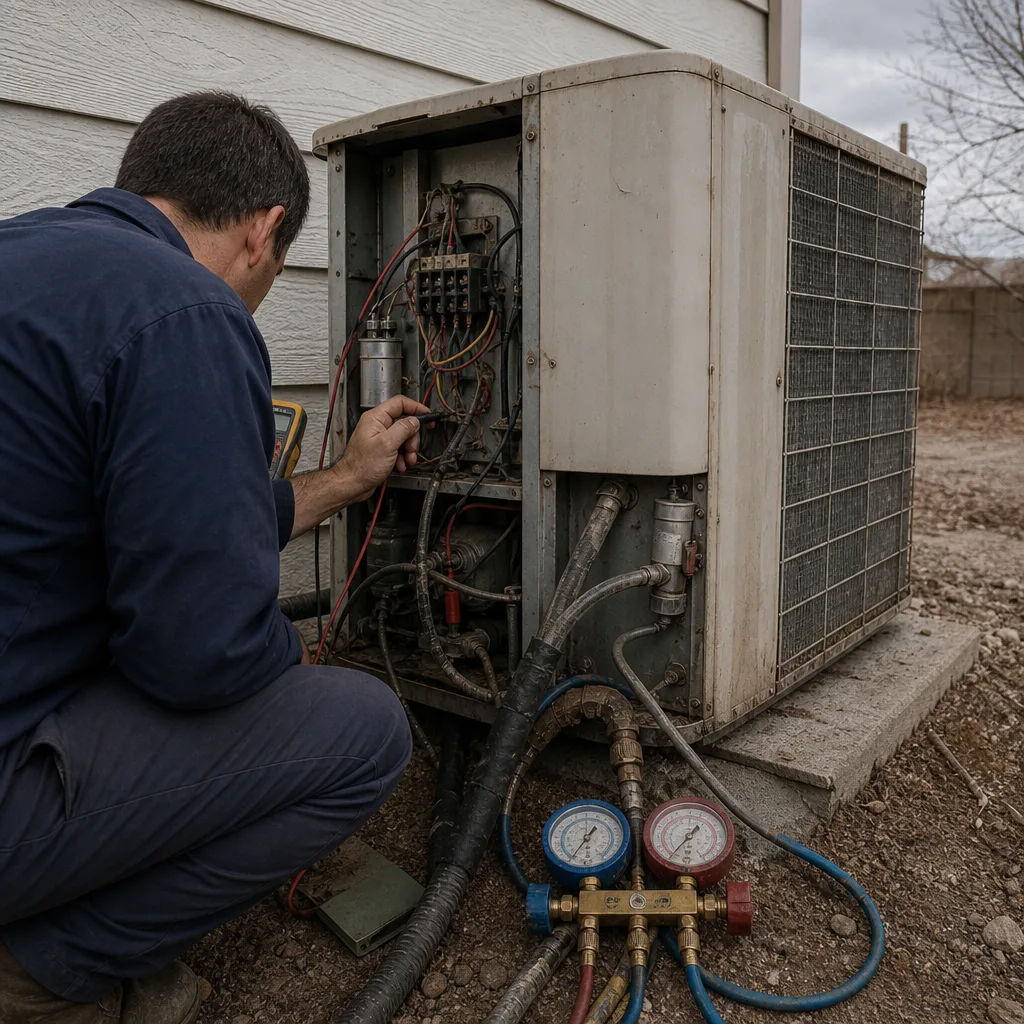 Before
 After
 Before
 After
 Before
 After