
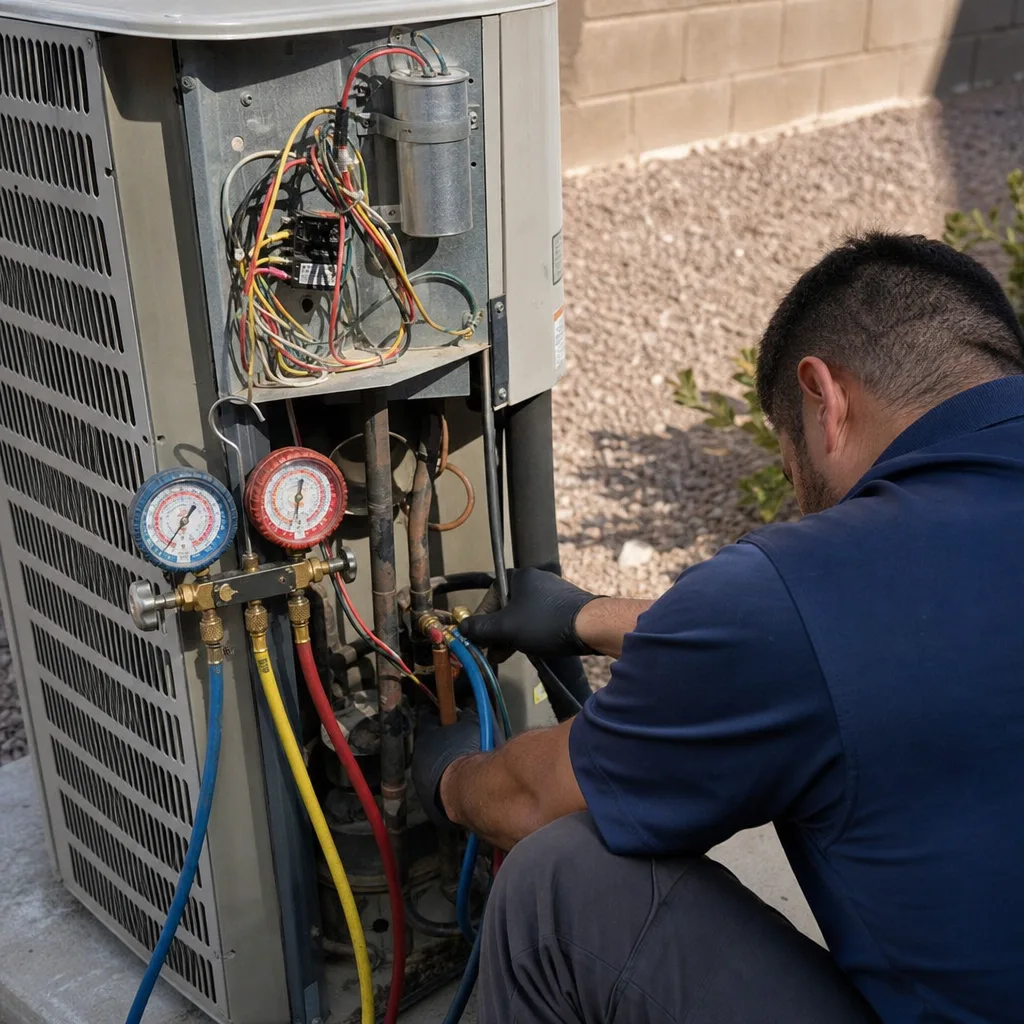
Last updated November 17, 2026
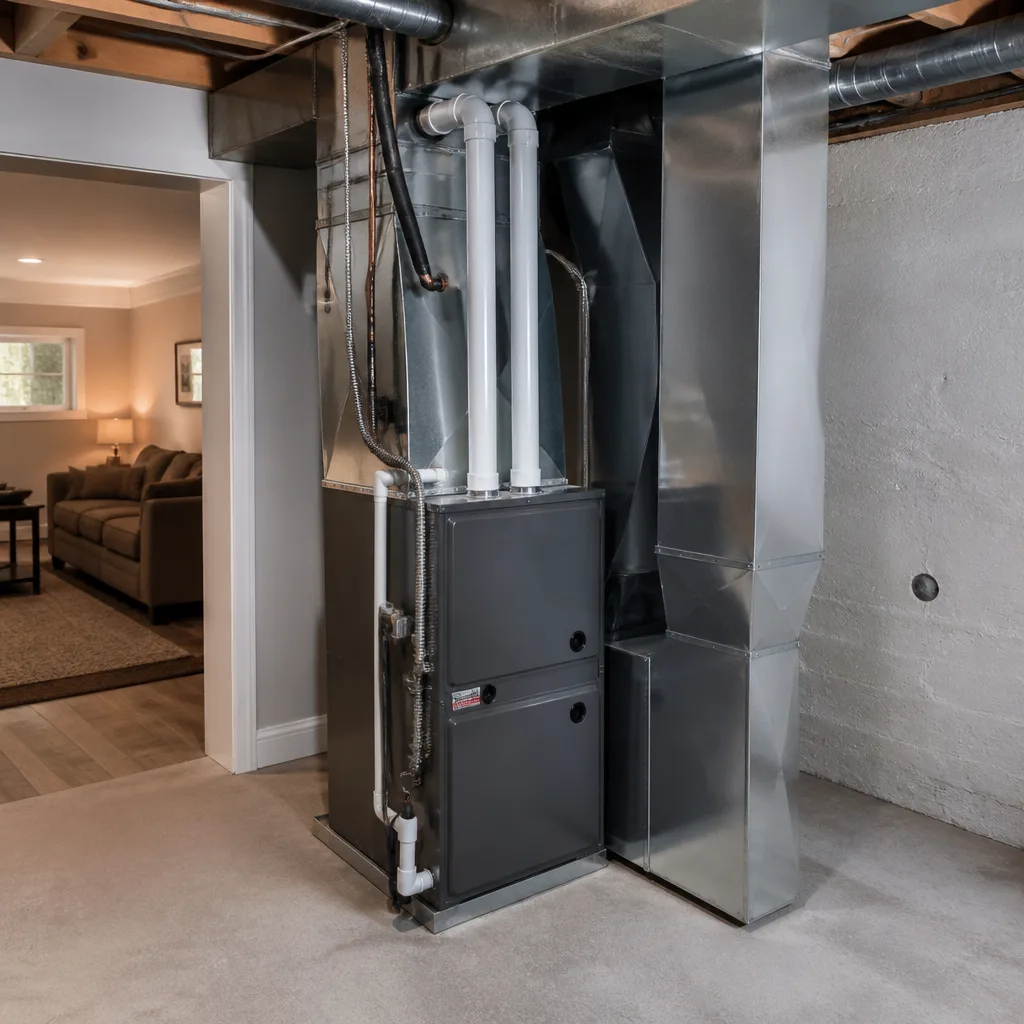 Furnace & heating
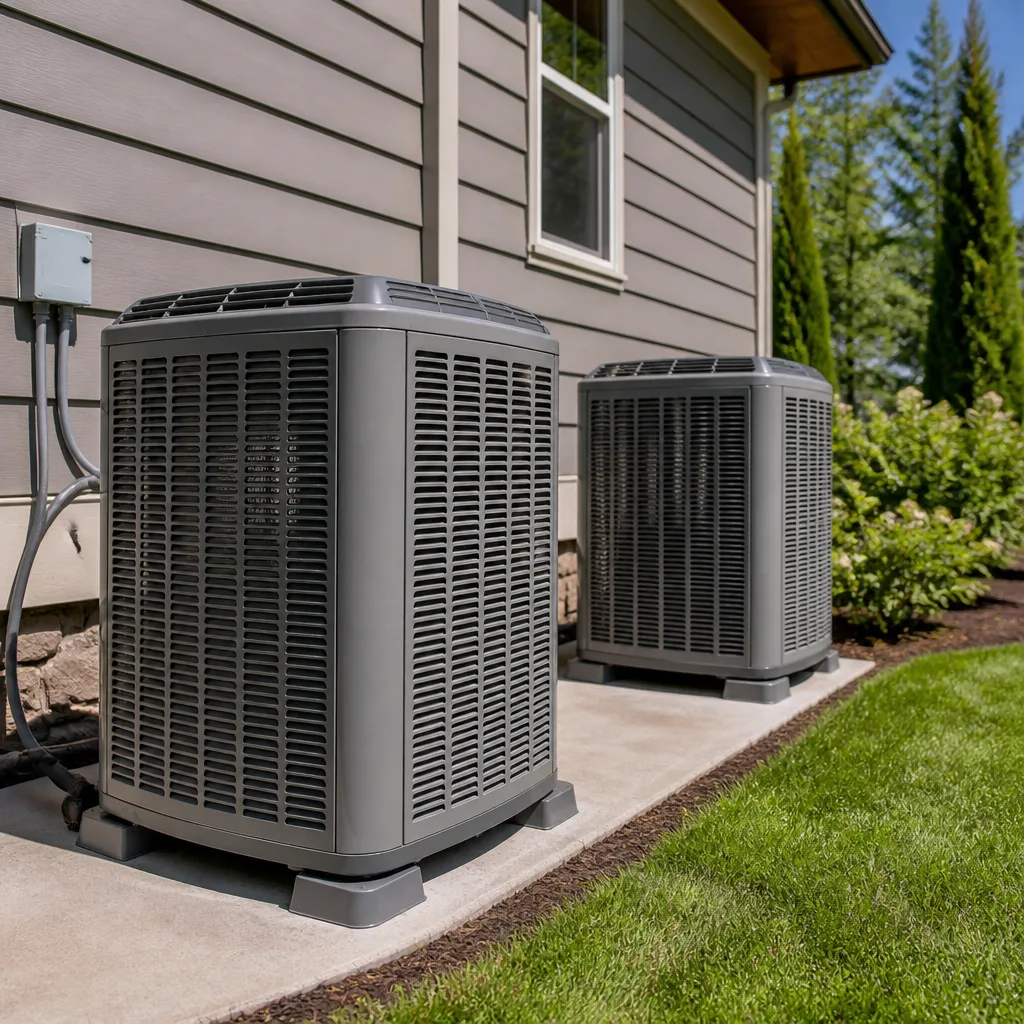 Heat pumps
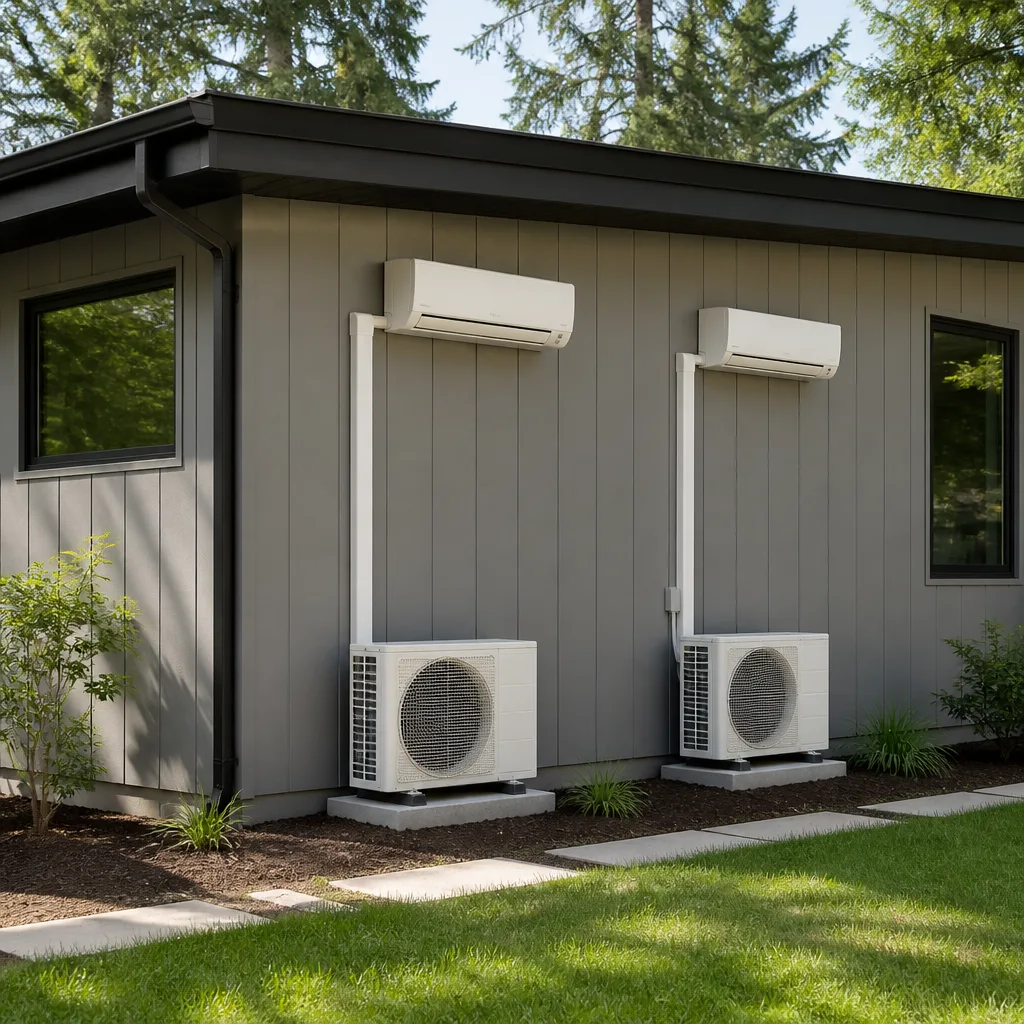 Ductless mini splits
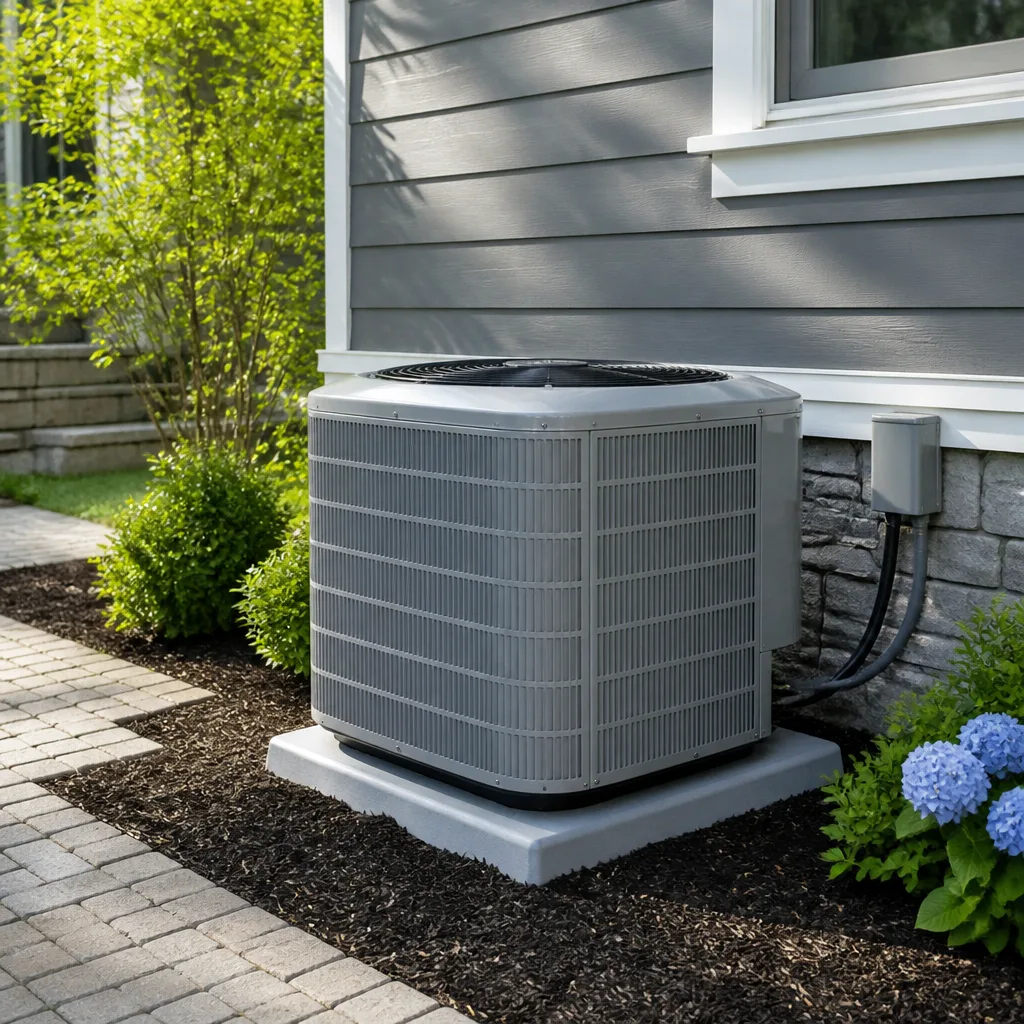 Carrier
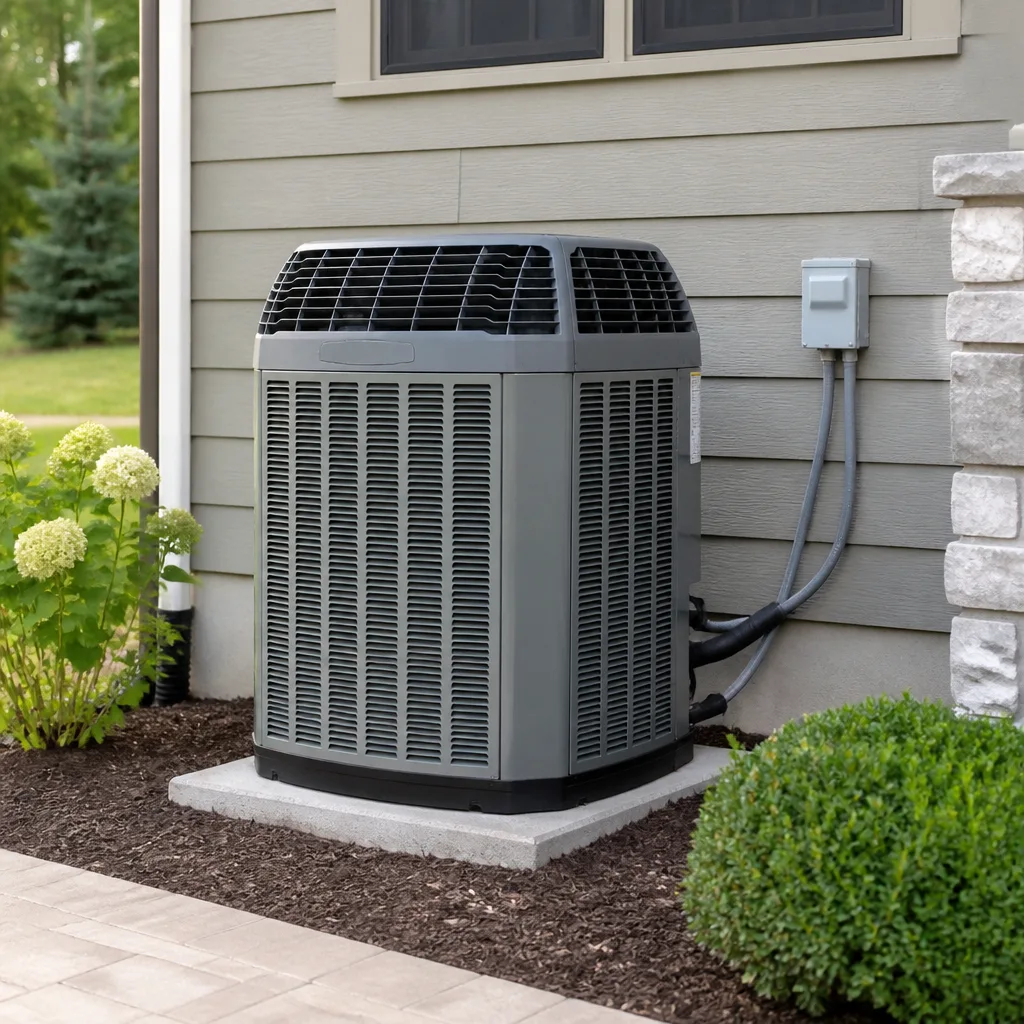 Trane
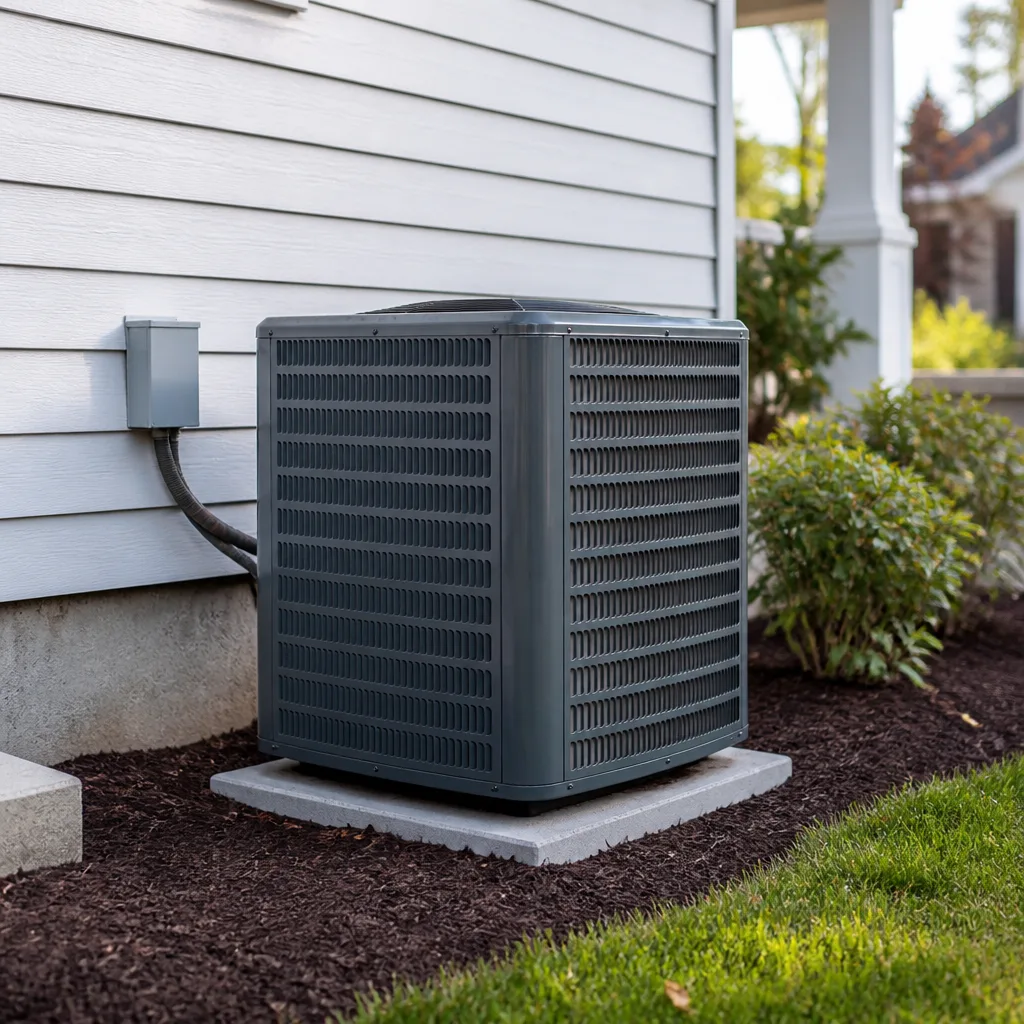 Goodman
Seasonal tune-up and full diagnostic on your Carrier, Trane, or Goodman system - readings shown to you before any repair is proposed
Diagnosis first, numbers second - you approve the repair price before a single part goes in.
Get your free estimateChoosing the Right HVAC Brand: A Buyer’s Guide for Boulder City
A brand that earns top marks in national customer satisfaction surveys often earns them from homeowners whose systems run four or five months a year. In Boulder City, your air conditioner runs closer to nine months, many of those above 110°F, and the reliability data behind those rankings was never gathered under that load. The brochure numbers don’t tell you which brand will survive a Boulder City summer, which one your technician can get parts for without waiting a week, or which compressor type actually saves energy against our specific daily temperature swing. This guide covers the questions the marketing material skips: how to read SEER2 for a desert climate, how parts distribution really works from Las Vegas supply houses, and how to protect the warranty you’re paying for.
Quick Answer
The right HVAC brand for a Boulder City home is not the one with the biggest ad budget or the highest survey score. It’s the brand with proven compressor performance in sustained extreme heat, reliable parts availability through Las Vegas distributors, and deep familiarity among the technicians who service your area. Among the nine widely installed brands – Carrier, Trane, Lennox, Goodman, Rheem, York, Daikin, Bryant, and American Standard – any of them can be a good choice. The right pick depends on your home, your budget, and who will be maintaining it.
Styles & brands we work with
- AC installation
- Furnace & heating
- Heat pumps
- Ductless mini splits
- Carrier
- Trane
- Goodman
Table of Contents
- Why National Brand Rankings Mislead Desert Homeowners
- How to Read SEER2 Ratings in Nevada’s Climate Zone 3
- The Parts Distribution Reality Nobody Tells You
- Why Local Technician Familiarity Beats a Fancier Warranty
- Matching Compressor Type to Boulder City’s Daily Temperature Swing
- What a 10-Year Parts Warranty Actually Requires
- Why We Stay Brand-Agnostic
- Common Mistakes to Avoid
Why National Brand Rankings Mislead Desert Homeowners
Consumer surveys and third-party ratings are useful, but they answer a different question than the one you’re asking. A homeowner in a mild climate needs a system that handles a few months of moderate cooling. A Boulder City homeowner needs a system that runs hard from spring into fall, through daily highs that regularly push past 110°F, with an outdoor condenser that never really gets a break. Those are different engineering demands.
The reliability data behind most rankings also doesn’t track how a unit behaves at year seven in continuous, high-ambient operation. Compressors fail under heat stress in ways they simply don’t in a short, mild season. Capacitors, contactors, and fan motors see far more runtime hours. When you see a brand rated highly, ask where that rating came from. If the bulk of data comes from regions where a cooling season is a fraction of ours, treat it as a starting point, not a verdict.
What matters more for Boulder City is how a brand performs under sustained load and whether local professionals can service it quickly. A slightly less celebrated brand that every area technician knows and can get parts for is often the better long-term bet than a prestige label with a service network stretched thin across the desert.
If you’re deciding between repairing a struggling system and replacing it, our AC repair team can diagnose what’s actually failing before you commit to a new brand. Often the answer is a repair, not a replacement.
How to Read SEER2 Ratings in Nevada’s Climate Zone 3
SEER2 is the updated seasonal energy efficiency ratio, and it tells you how efficiently a unit cools over a representative season. In a mild climate, jumping from one SEER2 tier to the next delivers a proportionally larger efficiency gain because the system runs through moderate, steady conditions. In extreme heat, that gap narrows in practical terms because the compressor is working near its upper limit regardless of how efficient the design is at lower loads.
Here’s what we mean. Most of the published efficiency advantage of a higher-tier unit comes from part-load operation – the hours when outdoor temperatures are moderate. In Boulder City, a large share of cooling hours happen at high ambient temperatures, where the compressor runs closer to full capacity and the tier-to-tier savings shrink. That doesn’t make higher efficiency pointless. It means you should weigh the upgrade against your actual usage pattern and what the equipment is doing.
A practical way to think about it:
- Base-tier SEER2: Fine for homeowners who keep the thermostat modest, have good insulation and shade, and care most about upfront cost.
- Mid-tier SEER2: A reasonable step-up if you run the system heavily through summer and want a modest ongoing savings offset.
- High-tier SEER2: Worth considering if you have a large home, lots of sun exposure, or specific comfort issues – but don’t buy it purely on the SEER2 number. Ask whether the extra efficiency actually shows up in your climate.
If you want an honest conversation about whether a higher SEER2 tier pays off in your home, our AC installation team runs load calculations and gives you a written recommendation, not a sales pitch.
The Parts Distribution Reality Nobody Tells You
Brand quality means little if the part you need has to ship from across the country. In Boulder City, the practical reality of parts availability runs through Las Vegas supply houses, and it differs by brand. Some brands keep strong local inventory. Others rely on regional distribution that can mean a multi-day wait for anything beyond common components.
Here’s how we’d group the nine brands we service, in general terms:
- Strong local parts presence: Carrier, Lennox, and Goodman tend to have broad distributor networks, which often means same-day or next-day availability on common parts like capacitors, contactors, and fan motors.
- Good coverage with occasional lead time: Trane, American Standard, Rheem, and Bryant usually have reliable local access to common parts, with specialty components requiring a bit more time.
- Varies by component: Daikin and York have solid parts channels, but specific assemblies may need to come from regional distribution rather than local stock.
The takeaway isn’t that one brand is better. It’s that brand choice affects how long you’ll wait for a repair if something fails. A unit sitting in the heat for three extra days because a contactor is on backorder is a comfort problem regardless of the badge on the front. When you’re comparing brands, ask the person doing the work whether they can get common parts locally and how quickly.
Our technicians have up to 12 years of experience working across all nine brands, and they know which parts channels move fastest from Las Vegas. When we’re in ac repair Boulder City homes, we’re working with that knowledge every day.
Why Local Technician Familiarity Beats a Fancier Warranty
A 10-year parts warranty sounds reassuring. But if the local professional pool doesn’t know your specific brand’s diagnostic quirks, control boards, or service bulletins, that warranty won’t help you when the system fails in July. Brand familiarity isn’t a soft factor. It’s a repair-time factor.
Technicians who work on the same brands repeatedly learn shortcuts, common failure points, and the specific behaviors of control systems. A brand they know deeply means faster diagnosis, fewer wrong-part trips, and a better chance the repair is right the first time. A brand that’s rare in your area means every repair starts with a learning curve.
This is why we lean toward brands with a strong local service footprint. Carrier, Trane, American Standard, and Bryant aren’t the only good options, but they’re widely serviced by area professionals, which means your system won’t be an unfamiliar puzzle. We handle all nine major installed brands – Carrier, Trane, Lennox, Goodman, Rheem, York, Daikin, Bryant, and American Standard – because you shouldn’t have to switch brands just to get reliable service.
We’re AC specialists, not generalists. That focus matters because your technician’s entire practice is air conditioning, so brand-specific diagnostics are a daily skill rather than an occasional one. If you want a second opinion on whether to repair or replace, call Boulder City‘s AC-only specialists and we’ll tell you honestly what we see.
Matching Compressor Type to Boulder City’s Daily Temperature Swing
Boulder City has a pronounced daily temperature swing – hot afternoons and much cooler evenings, especially in spring and fall. That pattern matters for compressor choice, because the three compressor types behave very differently across the range of outdoor conditions you’ll see.
Here’s the practical breakdown:
- Single-stage compressor: Runs at full capacity or not at all. Cheapest to buy, simplest to repair, but it tends to overcool or short-cycle during the moderate hours of the swing. Works best in smaller homes or where the budget is the deciding factor.
- Two-stage compressor: Runs at low capacity most of the time and steps up to full when needed. That low stage handles the cooler morning and evening hours more gently, which reduces short cycling and improves dehumidification.
- Variable-speed compressor: Modulates continuously to match the load. Best comfort and quietest operation, and it handles a big temperature swing with the least energy waste. Higher upfront cost and more complex to repair.
For a Boulder City home with a big daily swing, two-stage is often the practical sweet spot – better comfort and efficiency than single-stage without the complexity and cost of variable-speed. Variable-speed makes sense for larger homes, homes with strong afternoon sun exposure, or two-story layouts where room-to-room temperature differences are already a problem. Single-stage is still a fine choice when upfront budget is the priority and the home is modest in size.
The right answer depends on a load calculation, not a guess. Our technicians size and recommend equipment based on your home’s actual heat gain, not the brand they’d prefer to sell.
What a 10-Year Parts Warranty Actually Requires
A 10-year parts warranty is only as valuable as the conditions attached to it, and many homeowners unknowingly void theirs within the first couple of years. The warranty covers parts, not labor. It typically requires professional installation, registration within a defined window, and documented maintenance. Miss any of those steps and the coverage can be reduced or denied when you need it most.
Here’s what keeps a parts warranty valid:
- Professional installation by a licensed contractor. DIY or unlicensed installs typically void the warranty outright.
- Registration within the manufacturer’s window. Many brands require registration within a set number of days of installation. Miss it and the warranty may default to a shorter term.
- Documented annual maintenance. Most manufacturers require routine maintenance records. Skipping maintenance and then filing a compressor claim is a common reason warranties get denied.
- Proper equipment matching. Mismatched evaporator coils, air handlers, or refrigerant lines can void coverage because the system wasn’t installed as a matched set.
- No unapproved modifications. Non-OEM parts, unapproved refrigerant changes, or unauthorized repairs are typical disqualifiers.
In our experience, the maintenance requirement is the one that catches homeowners off guard. Skipping maintenance feels harmless until a compressor fails in year six and the warranty claim is denied for missing service records. That’s why we treat maintenance as part of the warranty, not an optional extra. The same company that installs your system also maintains and repairs it, so the records stay with the equipment.
Why We Stay Brand-Agnostic
We don’t stock one brand and steer you toward it. We service nine, and our recommendations are based on your system, your home, and your budget. That’s a deliberate choice, and it matters because brand-loyal shops often recommend the brand they carry regardless of whether it’s the best fit for your situation.
What brand-agnostic service looks like in practice:
- We diagnose your existing system first, before talking about replacement.
- We recommend equipment based on load calculation, budget, and parts availability in your area.
- We tell you when a repair makes more sense than a new unit.
- We don’t upsell unrelated trades. Call for AC and that’s what you get.
That approach keeps the focus where it belongs. You’re not buying a badge. You’re buying equipment that fits your home, backed by professionals who know how to keep it running. Whether you’re in Boulder City or nearby, the recommendation should follow the same logic: the right fix, not the easiest upsell.
Common Mistakes to Avoid
- Buying on survey rankings alone. National satisfaction scores often reflect mild-climate reliability data. Ask how a brand performs under sustained 110°F+ load before you let a ranking decide for you.
- Ignoring parts availability. A great unit with a slow parts channel is a comfort problem waiting to happen. Ask about local distributor access before you commit.
- Comparing SEER2 numbers without context. The efficiency gap between tiers narrows in extreme heat. A higher number doesn’t always translate to the savings you expect in Boulder City.
- Skipping the load calculation. Oversized or undersized equipment short-cycles, wastes energy, and wears out faster. Insist on a proper sizing calculation, not a rule of thumb.
- Assuming any contractor can service any brand. Familiarity with a brand’s diagnostics and controls affects repair speed and accuracy. Ask whether your technician knows the brand well.
- Letting warranty registration and maintenance slide. Missing the registration window or skipping scheduled maintenance can quietly void your 10-year parts coverage.
- Chasing the lowest bid without checking scope. A low bid that skips the load calculation, permits, or proper startup is not a savings. It’s a deferral of cost.
See the difference
 Before
 After
 Before
 After
 Before
 After
When to Call a Professional
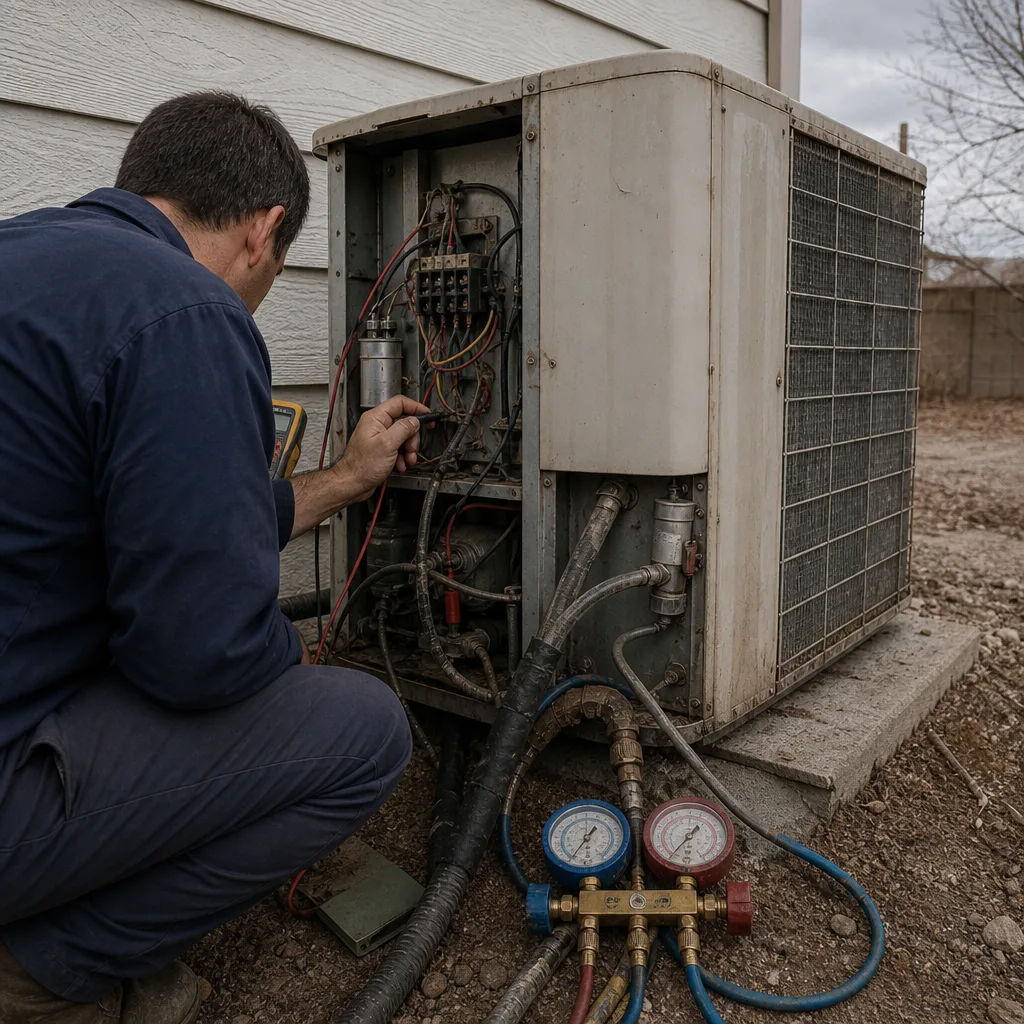
Some decisions need a trained eye. Call a professional if your system is more than ten years old and struggling to keep up during peak heat, if you’re seeing repeated failures of the same component, or if your electric bills have climbed without a change in usage. Those are signs the equipment is nearing the end of its useful life, and a proper diagnosis will tell you whether repair or replacement is the better move.
Call us sooner if you notice ice on the lines, a burning smell, or a system that runs but doesn’t cool. Those can indicate refrigerant problems or electrical faults that get worse with delay.
AC Repair Boulder City offers free estimates in Boulder City. Call (888) 906-2267. We answer 24/7. Fast dispatch from 7am to 7pm, Sunday through Friday, and all our technicians are trained on the nine major brands. If it’s time to replace, we’ll size and recommend equipment with a written fixed price and a set install date – no pressure to pick any particular brand.
Frequently Asked Questions
There’s no single best brand – the right choice depends on your home, budget, and who services it. In Boulder City’s extreme heat, prioritize brands with proven compressor performance under sustained load and strong parts availability through Las Vegas distributors. Carrier, Trane, Lennox, Goodman, Rheem, York, Daikin, Bryant, and American Standard are all widely installed and serviced here. Call (888) 906-2267 for a free estimate and an honest recommendation for your home.
A higher SEER2 does save energy, but the gap between tiers narrows in extreme heat because the compressor runs near full capacity more often. The biggest savings show up when you’re comparing base-tier equipment to a mid-tier unit in a home with heavy summer runtime. A load calculation will tell you whether an upgrade actually pays off for your specific home. Call (888) 906-2267 to talk through it.
We service nine brands: Carrier, Trane, Lennox, Goodman, Rheem, York, Daikin, Bryant, and American Standard. Our technicians have up to 12 years of experience across those lines, and we’re equipped to handle the brands most homeowners here actually own. You don’t need to switch brands to get service – we work on the brand you already have. Call (888) 906-2267 for a free estimate.
Common parts like capacitors, contactors, and fan motors are usually available same-day or next-day for brands with strong Las Vegas distributor networks, including Carrier, Lennox, and Goodman. Specialty components can take longer depending on the brand and the part. Faster parts access is one reason brand choice matters in a desert climate. Call (888) 906-2267 and we’ll tell you what we expect for your system.
Two-stage is often the best fit for Boulder City because it handles the big daily temperature swing with better comfort and efficiency than single-stage. Variable-speed is worth considering for larger homes or rooms that are hard to keep even. Single-stage is a solid budget choice for smaller homes. The right call depends on a load calculation. Call (888) 906-2267 for a free estimate.
Keep it valid by using a licensed contractor for installation, registering the equipment within the manufacturer’s window, and documenting annual maintenance. Skipping maintenance is the most common way homeowners void coverage without realizing it. Proper equipment matching and OEM parts also matter. Call (888) 906-2267 and we’ll help you keep the records straight.
The Bottom Line
Choosing the right HVAC brand for a Boulder City home comes down to three things the brochures don’t cover: how the equipment performs in sustained extreme heat, whether parts are available locally through Las Vegas distributors, and whether your technician knows the brand deeply. National rankings are a starting point, not the answer. SEER2 matters, but the gap between tiers narrows in our climate. Compressor type should match your home’s daily temperature swing. And the warranty you’re paying for only holds up if you install it right, register it, and maintain it. Any of the nine major brands can work well here. The right one is the one your system and your technician can actually live with. Call (888) 906-2267 for a free estimate. We answer 24/7. Fast dispatch from 7am to 7pm, Sunday through Friday.
Written by the team at AC Repair Boulder City.