
Last updated November 17, 2026
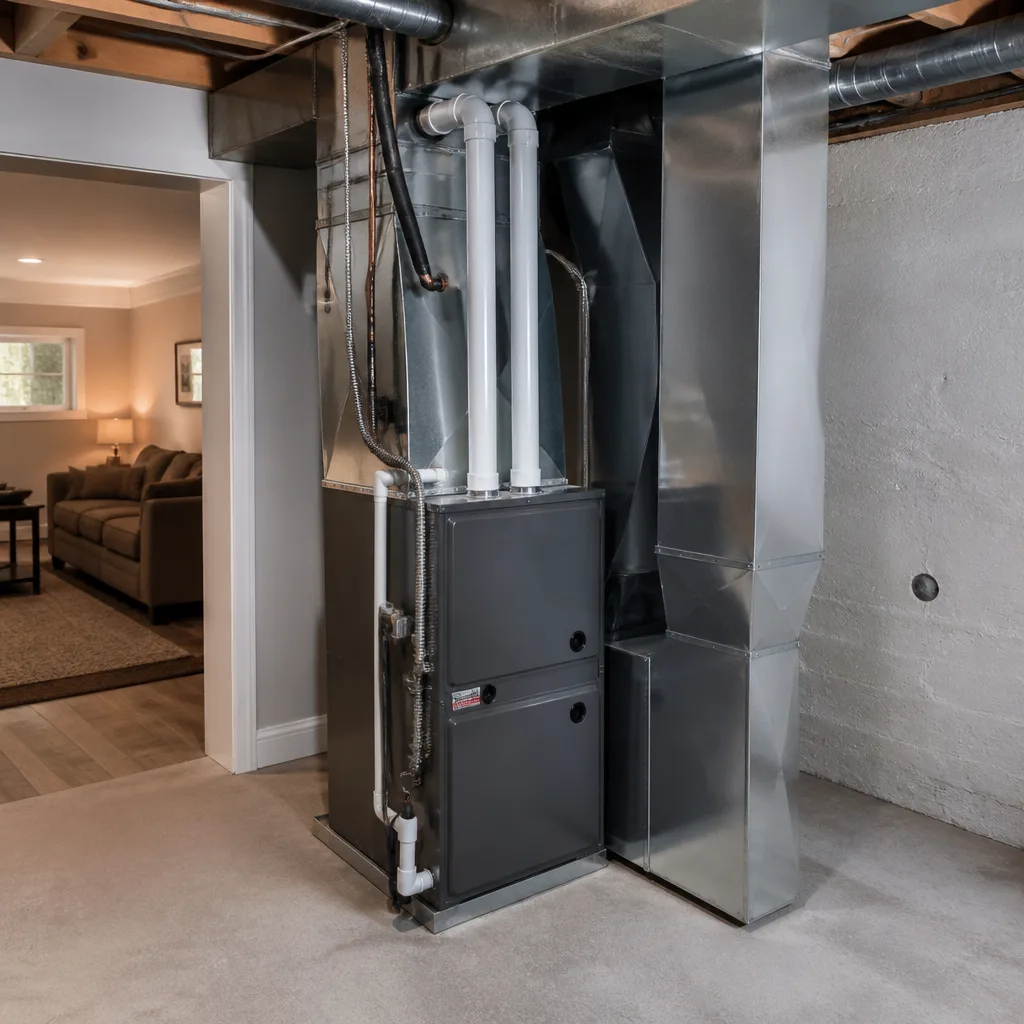 Furnace & heating
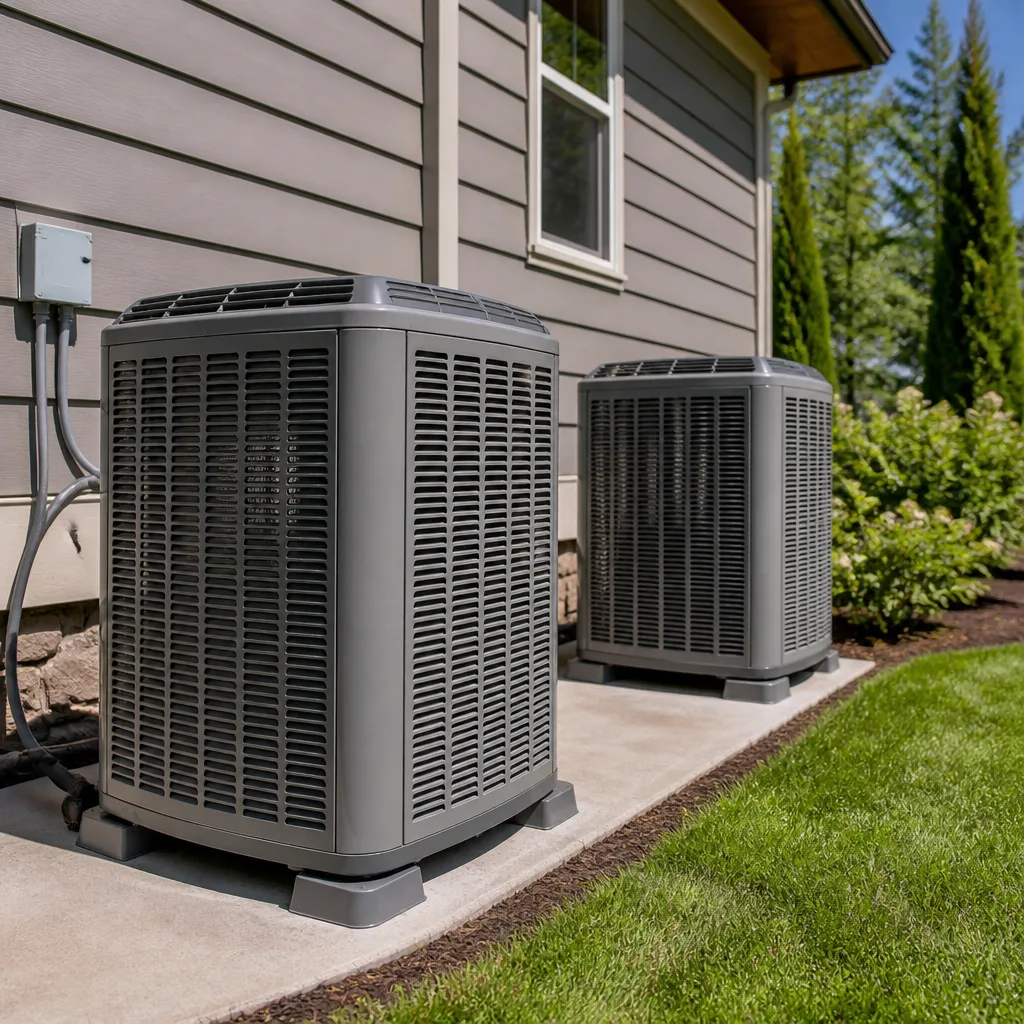 Heat pumps
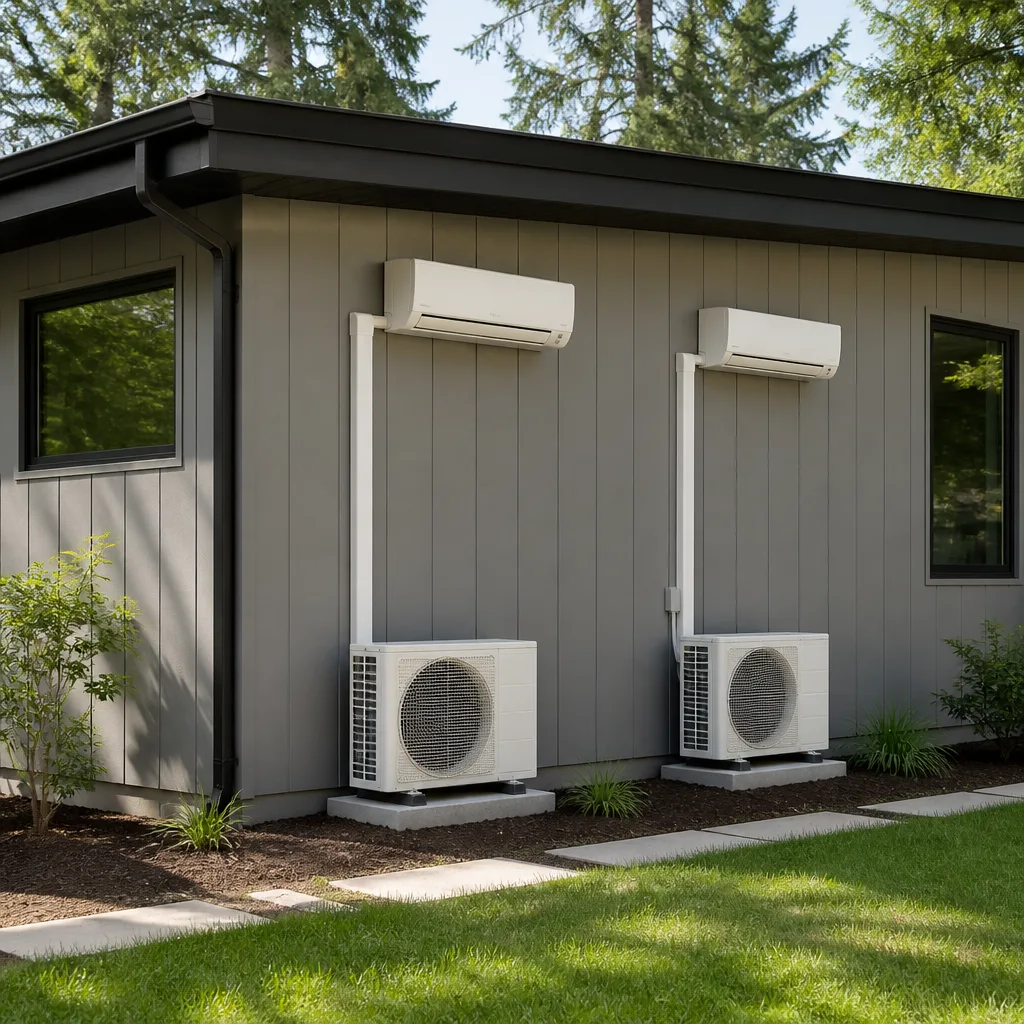 Ductless mini splits
 Carrier
 Trane
 Goodman
Seasonal tune-up and full diagnostic on your Carrier, Trane, or Goodman system - readings shown to you before any repair is proposed
Diagnosis first, numbers second - you approve the repair price before a single part goes in.
Get your free estimateHVAC Permits, Codes & Inspections in Boulder City, NV: What You Need to Know
Most homeowners assume a permit is just paperwork their contractor handles in the background. In Boulder City, that assumption can cost you when you sell. Here’s the counterintuitive part: Boulder City runs its own building department, separate from Clark County, and the inspection office is small enough that the same names and addresses cross the same desk more than once. An unpermitted replacement that slides through in a bigger jurisdiction has a way of surfacing here during a disclosure or a title search. In this guide, we’ll walk through which HVAC jobs legally need a permit in Boulder City, how the adopted mechanical code differs from what neighboring cities enforce, what a rough-in and final inspection actually check, and how to fix an unpermitted job that’s already been completed.
Quick Answer
In Boulder City, NV, a full HVAC system replacement, a new installation, or any work that alters ductwork, electrical connections, or refrigerant lines generally requires a mechanical permit and at least one inspection. Straightforward minor repairs – swapping a capacitor, replacing a thermostat, or changing a filter – typically fall under the minor repair exemption and don’t need one. When in doubt, call Boulder City’s building department directly and describe the job; the answer takes a minute and saves you a headache later.
Styles & brands we work with
- AC installation
- Furnace & heating
- Heat pumps
- Ductless mini splits
- Carrier
- Trane
- Goodman
Table of Contents
- Which HVAC Jobs Need a Permit in Boulder City?
- What Falls Under the Minor Repair Exemption?
- Boulder City’s Adopted Mechanical Code vs. Clark County
- Rough-In vs. Final Inspection: What Each One Checks
- Why Re-Inspection Failures Happen in Boulder City
- How Permit Records Affect Insurance Claims
- What to Do About an Unpermitted HVAC Job
- Permits and Disclosure When You Sell
Which HVAC Jobs Need a Permit in Boulder City?
Boulder City requires a mechanical permit for most work that replaces or adds equipment, modifies the structure of the system, or connects to the home’s electrical or refrigerant circuits. The short version: if the job involves a new unit, new ductwork, new line sets, or a change to the electrical feed, expect to pull a permit. The building department’s role is to confirm the work follows the adopted mechanical code and that the installation is safe for the structure and the people living in it.
Jobs that typically require a permit in Boulder City include:
- Full replacement of a condensing unit or air handler
- New split-system installation in a home that had none
- Ductwork modifications that change the layout or add or remove supply or return runs
- Electrical disconnect replacement or new circuit work tied to the equipment
- Refrigerant line replacement or rerouting
- Any change to the equipment’s footprint or mounting
What’s interesting about Boulder City is the volume of older homes, particularly in the historic district, where a replacement often means adapting a modern condenser to a home built decades ago. Those adaptations – new pad, new disconnect, sometimes a new line set run – push the job out of the “simple swap” category and into permit territory. We’ve seen homeowners in Boulder City surprised when a like-for-like replacement triggered an inspection requirement, mostly because the equipment’s electrical characteristics changed and the disconnect needed updating.
If you’re planning an AC installation, the permit is part of the job, not an add-on. A reputable contractor will include it in the scope and handle the paperwork. If your current contractor suggests skipping it to save time, that’s a signal.
What Falls Under the Minor Repair Exemption?
Not every service call needs a permit. Boulder City’s building department recognizes a minor repair exemption for work that restores equipment to its original function without changing its capacity, location, or connections. That covers a lot of what homeowners actually call about: a failed capacitor, a bad contactor, a clogged drain line, a thermostat swap, or a refrigerant top-off on an otherwise intact system.
Here’s the line most homeowners have never had drawn for them. The exemption is about the scope of work, not the dollar amount. A $900 repair might be exempt. A $400 repair might not be, if it involves opening the refrigerant circuit or changing a component’s electrical rating.
Work that generally stays inside the exemption:
- Replacing capacitors, contactors, relays, or fuses
- Swapping a thermostat for a compatible replacement
- Clearing a condensate drain
- Replacing a blower motor with an identical or approved equivalent
- Filter changes and coil cleaning
Work that generally leaves the exemption:
- Adding refrigerant to a system with a known leak (unless done as part of a documented diagnostic to identify the leak)
- Replacing a compressor
- Any change to the equipment’s electrical connection
- Modifying the cabinet, plenum, or ducting
The line isn’t always obvious from the homeowner’s side. If you’re unsure whether your repair crosses into permit territory, ask before the work starts. It’s a much easier conversation before the job than after. You can always call us for an honest answer on whether your specific repair needs a permit.
Boulder City’s Adopted Mechanical Code vs. Clark County
This is where out-of-area contractors get tripped up. Boulder City does not automatically adopt every amendment Clark County makes to the mechanical code. The city’s building department follows its own adoption cycle, and the version of the mechanical code in force in Boulder City can lag behind or diverge from what Clark County and the City of Henderson are currently enforcing. That doesn’t mean Boulder City is behind. It means the rules on the ground in Boulder City are the rules the city has actually adopted, not the ones a Las Vegas contractor assumes apply.
What this looks like in practice:
- A contractor who pulls permits mostly in Clark County may fill out the Boulder City application incorrectly or miss a Boulder City-specific submittal requirement.
- Equipment efficiency thresholds and clearance requirements are set by the adopted code version, and a small difference can turn a straightforward install into a revision.
- Plan review may reflect the local amendments rather than the state default, especially for ductwork sizing and equipment placement on tight lots.
For homeowners, the practical takeaway is simple: confirm your contractor has pulled permits in Boulder City before. Not just Henderson. Not just Las Vegas. Boulder City has its own rhythm, and someone who hasn’t worked within it will likely cost you time. We handle permit applications in Boulder City as part of every installation, and we’ve learned to check the current adopted code version before submitting rather than assuming the Clark County version applies.
You don’t need to memorize the code differences yourself. You do need to make sure whoever’s doing the work knows they exist. That’s the difference between a permit that gets approved on the first pass and one that drags on for weeks.
Rough-In vs. Final Inspection: What Each One Checks
Most permitted HVAC installations in Boulder City require two inspections: a rough-in and a final. Understanding what each one verifies helps you know what to expect and helps you catch a problem before the inspector does.
Rough-In Inspection
The rough-in happens after the equipment is set and connected but before the system is closed up, charged, or put into operation. The inspector verifies the parts that will be hidden or inaccessible once the job is finished.
- Equipment placement and clearances. The condenser pad, service clearances, and disconnect location meet the adopted code.
- Line set routing and support. Refrigerant lines are properly supported, insulated, and protected where they penetrate the structure.
- Electrical connections. The disconnect, whip, and breaker sizing match the equipment nameplate.
- Duct connections. Plenum connections, transitions, and any structural penetrations are sealed and supported.
- Condensate management. The drain line is trapped, sloped, and routed to an approved termination point.
- Equipment identification. Nameplate ratings match what was submitted on the permit.
Final Inspection
The final happens after the system is complete and running. The inspector confirms the installed work matches the approved permit and that the system operates safely.
- Equipment operation. The system starts and runs in both modes.
- Refrigerant charge verification. Superheat and subcooling are documented within the manufacturer’s specification.
- Electrical safety. The disconnect functions properly and covers are in place.
- Condensate test. The trap and drain flow freely without leaks.
- Permit record closure. All prior correction notices have been addressed.
The rough-in is where most of the real checking happens. If the rough-in passes clean, the final is usually a straightforward verification visit. If the rough-in has corrections, the final gets delayed until the corrections are re-inspected, and that delay can stall the job.
Why Re-Inspection Failures Happen in Boulder City
Re-inspections are common enough that they’re worth planning around. From what we see on permitted jobs in Boulder City, most failures fall into a handful of predictable categories. Knowing them helps you spot a contractor who’s cutting corners versus one who’s just had an off day.
- Disconnect and breaker mismatch. The most common failure. A replacement condenser with a different electrical rating than the original equipment needs a matching disconnect and breaker, and the inspector will check the nameplate against what’s installed. Contractors who assume the existing disconnect is fine end up resubmitting.
- Condensate trap missing or improperly sloped. Especially on horizontal air handlers where the drain routing isn’t obvious. This one is easy to fix but delays the final.
- Clearance violations on tight lots. Boulder City lots aren’t always generous, particularly around older homes. A condenser pad set too close to a wall, fence, or property line fails the clearance check.
- Line set support and insulation gaps. Refrigerant lines that are supported but not insulated continuously fail rough-in. So do lines that penetrate the structure without proper sealing.
- Permit scope mismatch. A permit pulled as a like-for-like replacement that turns out to include a new line set or a relocated disconnect. The scope on the permit has to match the work done.
- Wrong inspection ready. Calling for a final before the rough-in has passed, or before corrections are complete. It sounds obvious, but scheduling errors are a real source of delay.
None of these are exotic. They’re the same handful of issues repeating because they’re easy to overlook on a busy install day. A contractor who walks their own rough-in before calling the inspector catches most of them.
How Permit Records Affect Insurance Claims
Permit records matter for more than the building department. When a claim involves equipment-related damage – a fire traced to an electrical fault, water damage from a failed condensate line, or refrigerant release from a broken line set – the insurance adjuster will typically pull the permit history on the equipment before deciding what’s covered.
The logic runs in two directions:
- If the system was installed with a permit and passed inspection, the claim process is usually cleaner. The paper trail shows the work was done to code by a licensed professional.
- If the equipment was replaced without a permit, or the inspection was never completed, the adjuster may treat the installation as unpermitted work and question coverage for the resulting damage. That doesn’t automatically mean a denied claim, but it adds complexity and delay at the worst possible time.
There’s also the matter of manufacturer warranty. Most manufacturers require installation to follow local code and to be performed by a licensed contractor. An unpermitted installation can give a manufacturer grounds to deny a warranty claim on the equipment itself, even if the failure has nothing to do with the permit.
Homeowners rarely think about any of this until something breaks. In our experience, the permit record is one of those things you’re glad exists only when you need it. Keeping it current is cheap; reconstructing it after a loss is not.
What to Do About an Unpermitted HVAC Job
If you’ve inherited an unpermitted HVAC installation – often discovered during a home purchase, a warranty claim, or a service call where the technician noticed something odd – the situation is fixable. It just takes a deliberate sequence rather than a quick fix.
- Find out what was actually done. Pull the equipment nameplate, note the model and serial numbers, and look for the installed date. A service technician can help identify when the equipment was placed and what was changed.
- Contact Boulder City’s building department. Describe the situation honestly. Ask what process they have for bringing previously completed work into compliance. Some departments allow a retroactive permit with an inspection; others require a specific path. Better to know before you act.
- Have the installation assessed by a licensed contractor. The point is to determine whether the work complies with the adopted code or needs corrections before it can be permitted. If corrections are needed, they typically involve electrical, clearance, or condensate routing issues, not a full re-install.
- Pull the retroactive permit. Once you know the scope, file for the permit through the proper channel. In many cases, a mechanical contractor handles this on your behalf because they know how to document the existing installation.
- Schedule inspection and address corrections. The inspector will verify the installation against the adopted code. Corrections get made, re-inspected, and the record closes.
- Keep the paperwork. The permit and inspection record is exactly what you’ll want on hand if you sell or make an insurance claim later.
The process usually takes longer than a fresh permit because you’re documenting and sometimes correcting existing work. But it’s the path to a clean record. Trying to hide an unpermitted installation through a sale almost always costs more than fixing it. Boulder City’s building department is small enough that inconsistencies between a disclosure and the permit file get noticed.
Permits and Disclosure When You Sell
Nevada requires sellers to disclose known material defects, and an unpermitted HVAC installation can fall into that category once you know about it. This is the reason we opened with the disclosure angle. It’s not a scare tactic; it’s the practical reality of selling a home in Boulder City with unpermitted mechanical work.
During a home inspection, the buyer’s inspector will typically note the equipment’s age and look for permit records. If a relatively new condenser sits on a home with no mechanical permit on file, that gets flagged. The buyer’s agent will ask for documentation, and the seller has to either produce it or disclose that it doesn’t exist. Either way, the deal slows down.
The most common outcomes when this comes up on a Boulder City sale:
- The seller obtains a retroactive permit before closing, which cleans up the record but adds weeks to the timeline.
- The buyer requests a credit for the cost of bringing the installation into compliance, which typically lands in the low four figures once inspection, potential corrections, and administrative costs are factored in.
- The sale proceeds with a disclosed unpermitted installation, and the buyer shoulders the risk, which usually means a lower offer price.
Any of these outcomes can be avoided by pulling permits when the work is done. If you’re planning to sell within a few years and your HVAC system is getting close to end of life, the permit record is worth keeping clean before the listing goes live. A quick look at what we cover locally can help you decide whether to replace now or wait.
Common Mistakes to Avoid
- Assuming a like-for-like replacement doesn’t need a permit. It often does, especially when the new equipment has a different electrical rating than the old one. The Boulder City building department sees those jobs regularly, and they’re the source of most re-inspection delays.
- Using a contractor who permits mostly in Clark County. Boulder City’s adopted code version and permit application are not identical to the county’s. A contractor who hasn’t pulled permits here will likely submit something that needs revision.
- Skipping the rough-in inspection. Some contractors call for the final without a rough-in, especially on smaller jobs. That’s a scheduling shortcut that usually ends in a failed inspection and a longer timeline.
- Ignoring the existing disconnect when installing a new unit. It’s the single most common rough-in failure locally. A disconnect that matches the original equipment’s rating doesn’t automatically match the new unit’s.
- Forgetting the condensate trap. Small detail, real inspection item. Especially on horizontal air handlers where the drain routing can look fine from the outside while failing the trap requirement.
- Treating a low permit fee as a signal to skip it. Mechanical permits in Boulder City are inexpensive relative to the cost of an unpermitted job surfacing at disclosure time. The economics are heavily in favor of pulling the permit.
- Hiring a generalist contractor for the same job. We’ve seen generalist contractors try to handle a Boulder City mechanical permit and get the scope wrong, which pushes the inspection back and puts the homeowner on a different timeline than they were promised.
See the difference
 Before
 After
 Before
 After
 Before
 After
When to Call a Professional
Some permit questions belong with the building department, and some belong with a licensed contractor. If you’re planning any work beyond a basic repair – a replacement, a new installation, or a ductwork modification – a licensed mechanical contractor should handle the permit application and the inspections. This is not a homeowner-supplied task, and it isn’t something you should attempt to document on your own.
Call a professional if:
- You’re replacing a system and want the permit done correctly the first time.
- You’ve discovered an unpermitted installation and need someone who knows the retroactive process.
- You’re buying a home in Boulder City and want an honest read on the HVAC permit history.
- Your current contractor has suggested skipping a permit on a job that likely requires one.
- You want a fair opinion on whether a specific repair crosses the minor exemption line.
AC Repair Boulder City offers free estimates in Boulder City. Call (888) 906-2267. We answer 24/7, and dispatch runs 7am to 7pm, Sunday through Friday. Our technicians have up to 12 years of experience, and they know what Boulder City’s inspectors look for.
Frequently Asked Questions
Yes, replacing a full AC unit in Boulder City generally requires a mechanical permit and at least a rough-in and final inspection. The permit confirms the new equipment meets the adopted mechanical code and that the electrical, clearance, and condensate requirements are satisfied. If you’re planning a replacement, call (888) 906-2267 for a free estimate that includes the permit scope.
No, straightforward minor repairs like a thermostat swap, capacitor replacement, or drain clearing typically fall under Boulder City’s minor repair exemption and don’t require a permit. The exemption applies when the repair restores original function without changing capacity, location, or electrical connections. If your repair is larger than that line, call us first to confirm.
You can bring the installation into compliance through a retroactive permit process. Contact Boulder City’s building department to ask what path they allow, have a licensed contractor assess whether the installation complies with the adopted code, and file for the permit. Corrections are usually limited to electrical, clearance, or condensate issues rather than a full re-install. Call (888) 906-2267 if you need help navigating this.
Insurance adjusters often pull the permit history when equipment-related damage is part of a claim. A permitted and inspected installation usually makes the claim process cleaner, while an unpermitted installation can complicate coverage decisions. The permit record also matters for manufacturer warranty claims on the equipment. It’s free to call us for an honest read on your situation.
Most re-inspection failures come from a small set of issues: disconnect and breaker mismatches on replacement units, missing or improperly sloped condensate traps, clearance violations on tight lots, and line set support or insulation gaps. Contractors who haven’t worked within Boulder City’s permit process tend to hit these repeatedly. Call (888) 906-2267 for an installation estimate that gets the permit right the first time.
Yes, most ductwork modifications that change the layout or add or remove supply or return runs require a permit. Minor duct sealing or a small patch typically doesn’t, but any change that affects system capacity or routing does. When in doubt, ask the building department directly before the work starts. We’re happy to walk through your scope at (888) 906-2267.
The Bottom Line
Boulder City’s HVAC permit process isn’t complicated, but it is local. The city runs its own building department with its own adopted code version and its own inspection rhythm, and contractors used to working in Clark County or Henderson don’t always adjust. For homeowners, the practical takeaway is this: pull the permit on anything beyond a minor repair, use a contractor who has worked within Boulder City’s process, and treat the permit record as part of the job, not an inconvenience. Our technicians have up to 12 years of experience working on systems from Trane, Lennox, and Goodman, and we handle the permit as part of every installation. Call (888) 906-2267 for a free estimate.
Written by the team at AC Repair Boulder City.