
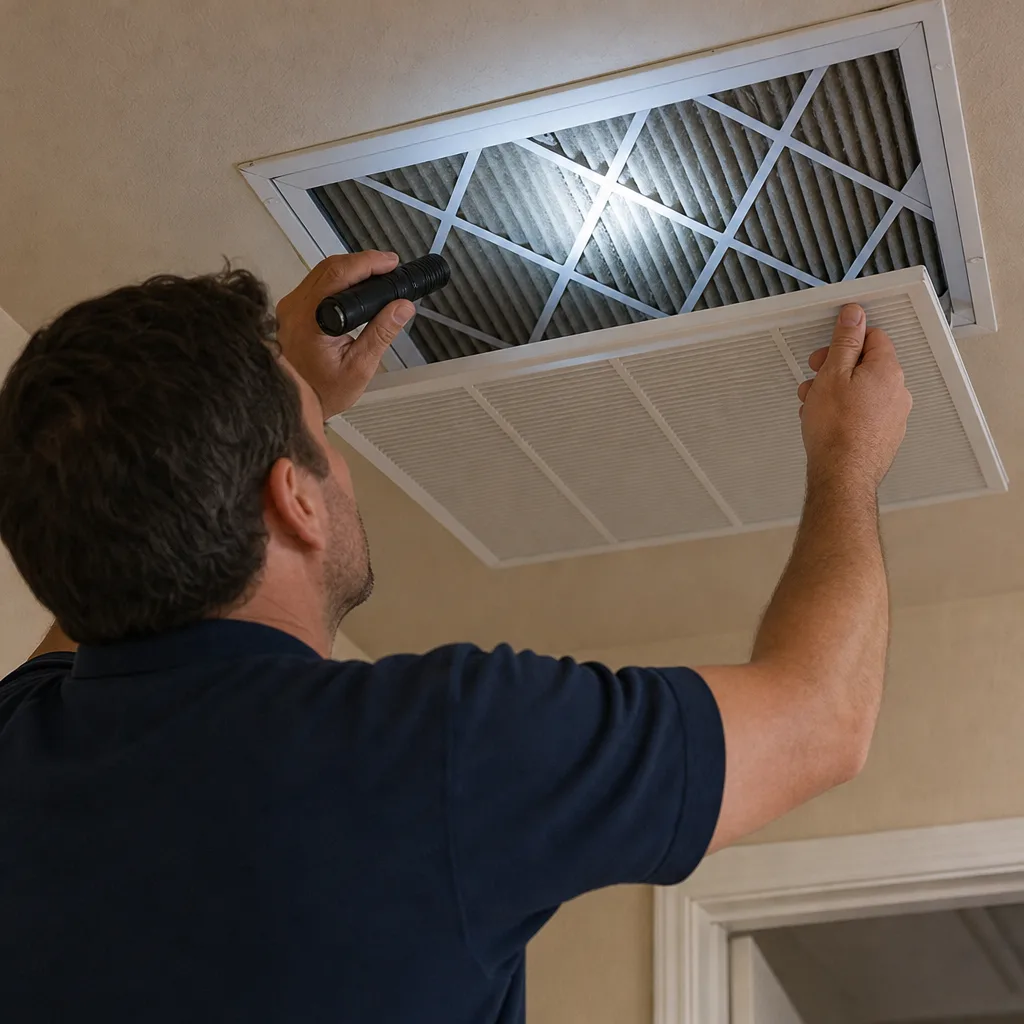
Last updated November 18, 2026
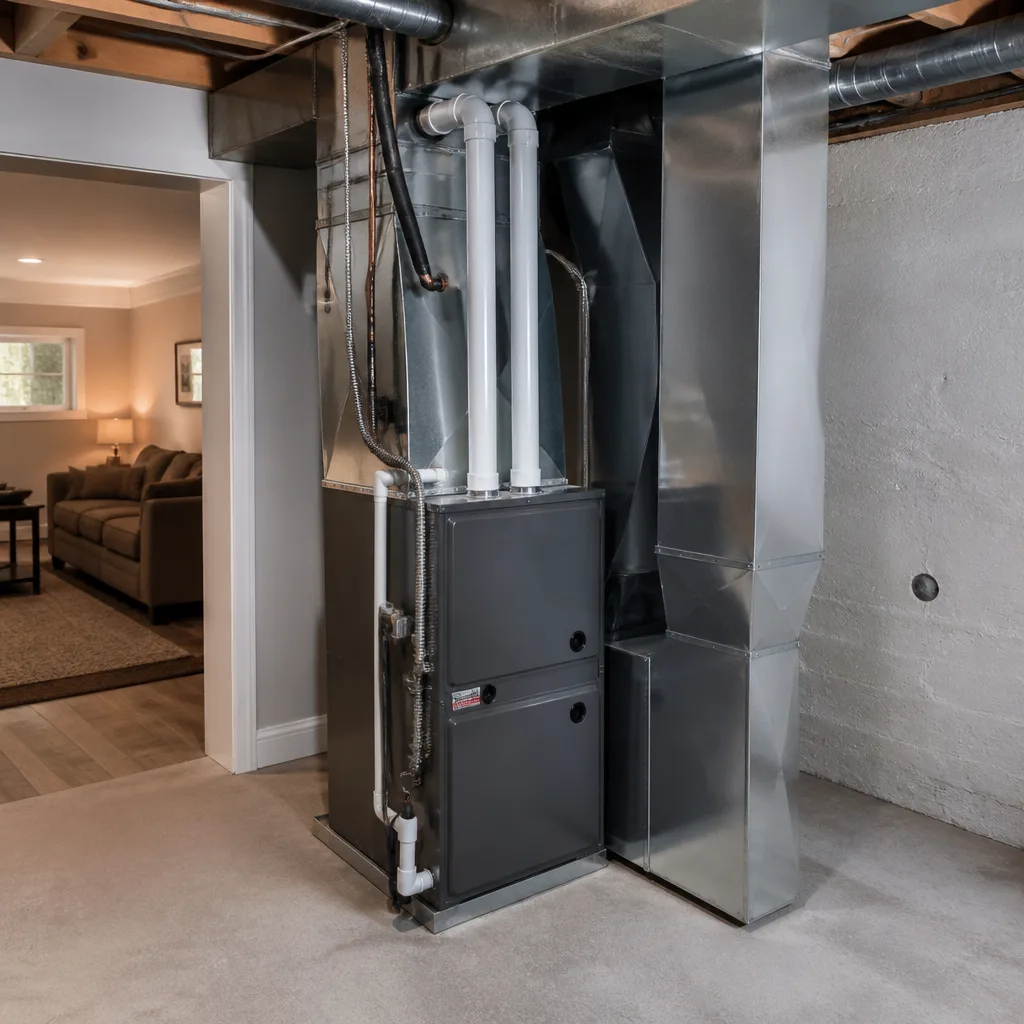 Furnace & heating
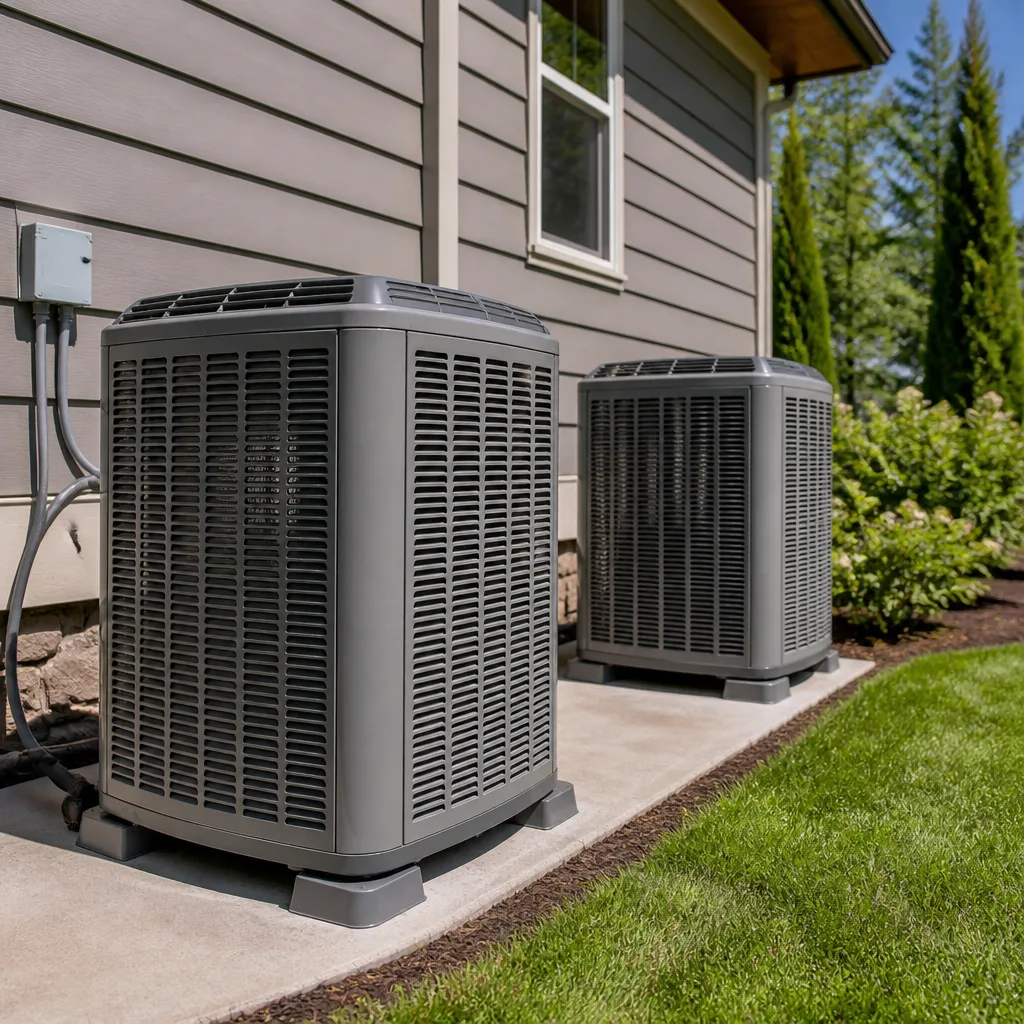 Heat pumps
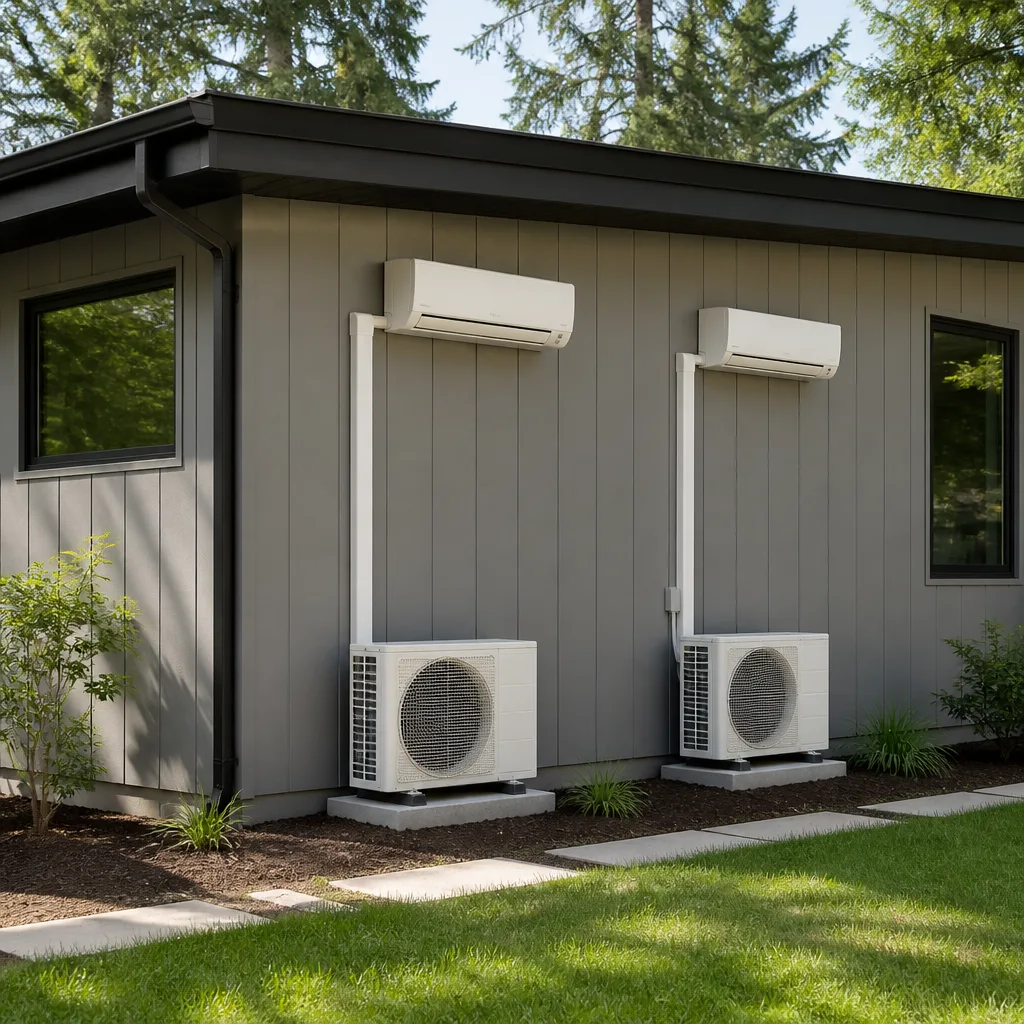 Ductless mini splits
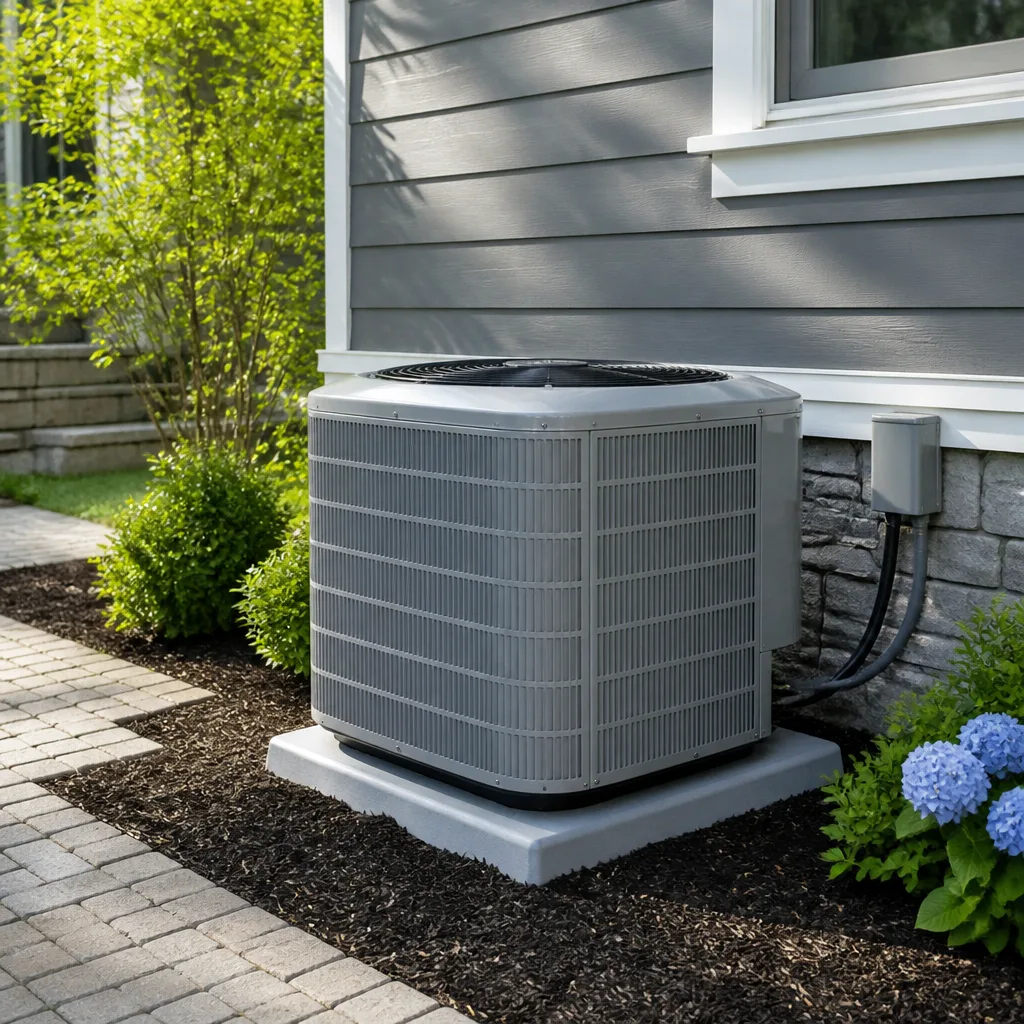 Carrier
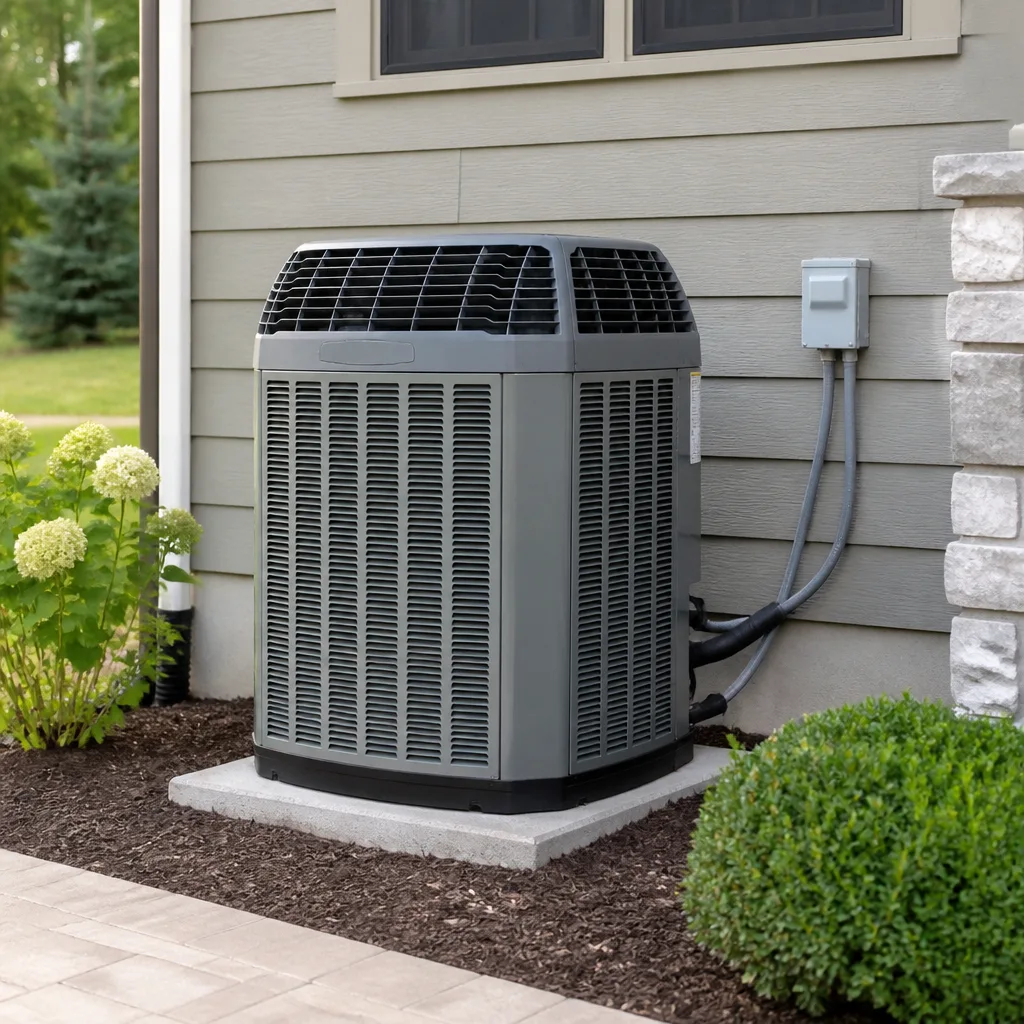 Trane
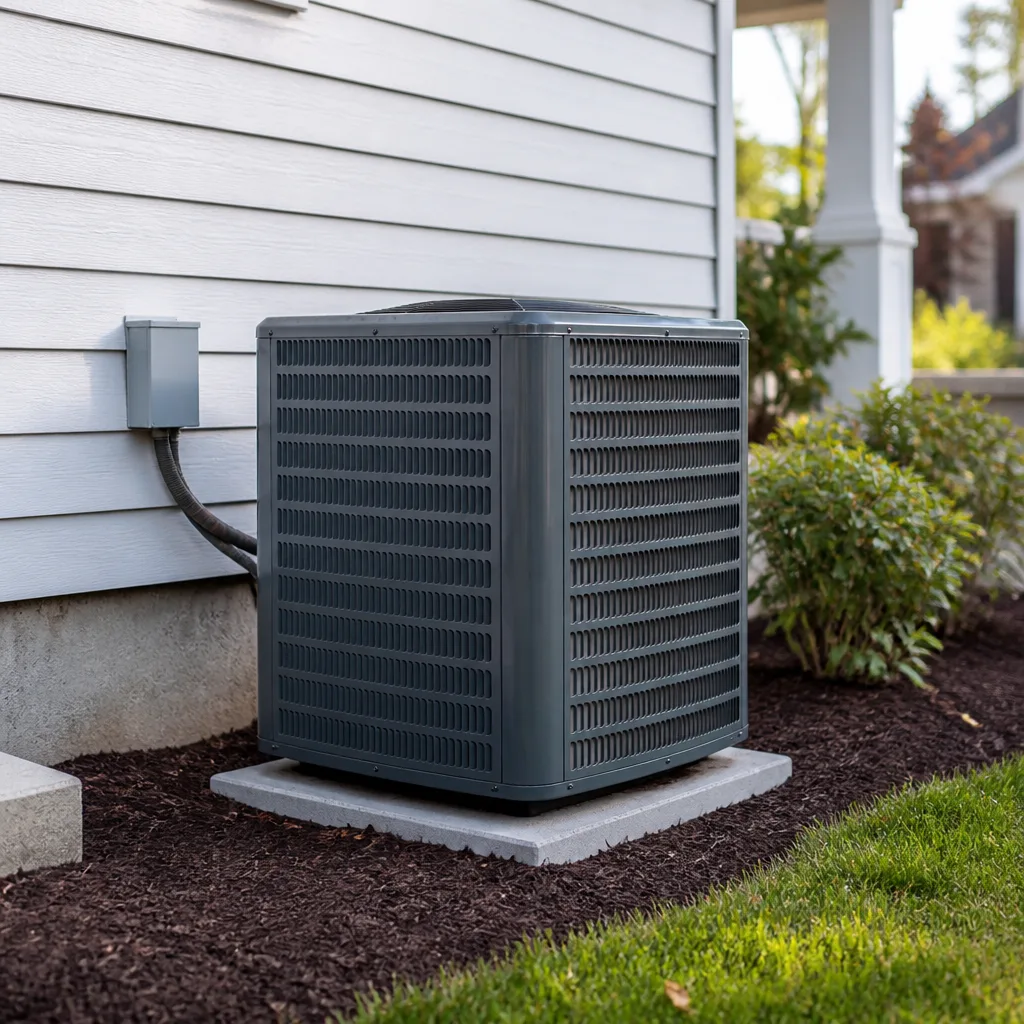 Goodman
Seasonal tune-up and full diagnostic on your Carrier, Trane, or Goodman system - readings shown to you before any repair is proposed
Diagnosis first, numbers second - you approve the repair price before a single part goes in.
Get your free estimateAC Repair Maintenance Checklist for Boulder City Homeowners
Most AC maintenance checklists floating around online were written somewhere with a real winter and a mild spring, where a system gets months off to recover. Boulder City isn’t that place. Your air conditioner runs hard for most of the year, and the parts that fail first here aren’t the ones most checklists talk about. A capacitor rated for a long service life in a moderate climate can give out far sooner under sustained desert heat, because heat is what kills electrical components. That one gap says a lot about how generic advice misses the mark. Below is a checklist built around how equipment actually behaves in Boulder City, covering what to check, how often, and what to write down so you can spot a failure before it leaves you without cooling.
Quick Answer
A solid AC maintenance checklist for a Boulder City home centers on four things: electrical components (especially capacitors and contactors), coil cleaning on an accelerated schedule for dust, drain line flushing for a unit that runs April through October, and a written repair history after every visit. Manufacturer intervals assume a mild climate; here they need to be tightened. Annual professional service plus simple homeowner checks between visits keeps a system running through the long cooling season.
Styles & brands we work with
- AC installation
- Furnace & heating
- Heat pumps
- Ductless mini splits
- Carrier
- Trane
- Goodman
Table of Contents
- Why a Boulder City Checklist Looks Different
- The Item Most Checklists Miss: Capacitors and Contactors
- Coil Cleaning for Desert Dust
- Checking Refrigerant Charge with Superheat and Subcooling
- Drain Line Flushing on a Long Season
- The Monthly Homeowner Walkaround
- Documenting Each Visit to Predict Failures
- Common Mistakes to Avoid
Why a Boulder City Checklist Looks Different
Air conditioning in Boulder City isn’t a seasonal appliance. It runs for eight to ten months of the year under sustained thermal stress, and that changes what fails and when. Standard manufacturer maintenance intervals are built around an average climate where equipment gets a break. Here it barely cools off enough to justify one.
Thermal stress works on a system in two directions. Electrical components run hotter, which shortens their life. And the system cycles more times per year than a temperate-climate unit ever will, so motors, contactors, and capacitors accumulate more run hours in a single desert summer than they might in two or three mild ones elsewhere. That’s the core reason a Boulder City homeowner should treat the annual visit as non-negotiable rather than optional.
The environment adds its own pressure. Dust and fine particulate matter settle on coils and clog drains faster than in places with regular rain washing things clean. In our experience, a condenser coil that would get a full season of service elsewhere needs attention sooner in Boulder City.
The good news is that a checklist tuned to these realities is not complicated. It simply puts weight on the items that actually fail here rather than scattering attention evenly. If you want to understand the full range of what a specialist handles beyond routine maintenance, AC Repair Boulder City covers how we approach diagnosis and repair across the systems local homeowners actually own.
The Item Most Checklists Miss: Capacitors and Contactors
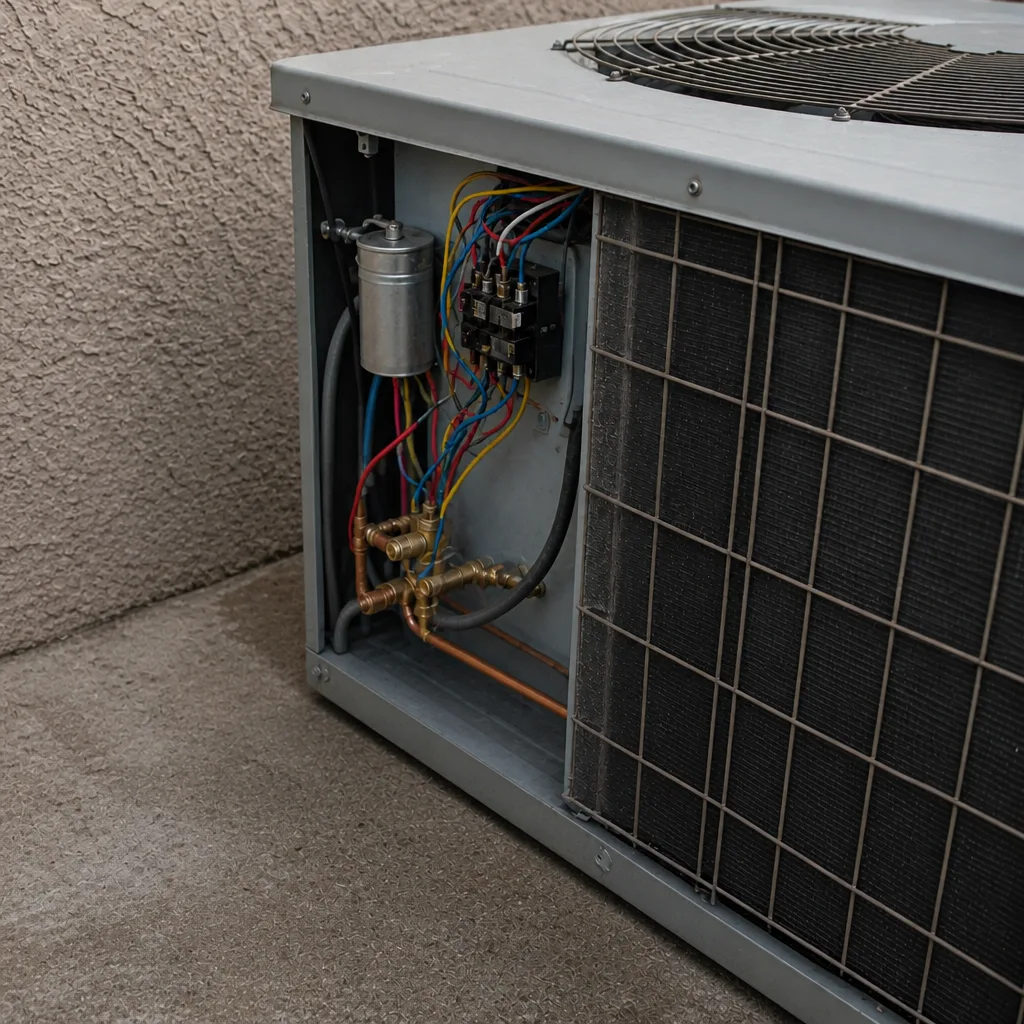
Capacitors and contactors should be inspected on every annual service visit in a desert climate, not left as an as-needed check. These small, inexpensive electrical parts are the most common cause of a system that won’t start, and heat is the primary killer of electrical components. A capacitor that would last a decade in a moderate climate can fail far sooner in Boulder City because it spends its life sitting in heat.
Here’s what these parts do and why they matter:
- The capacitor gives the compressor and fan motors the extra jolt needed to start and keeps them running smoothly. When it weakens, motors draw more current, run hotter, and eventually fail. A failing capacitor often shows up as a system that struggles to start or trips the breaker.
- The contactor is the switch that closes to send power to the compressor and condenser fan. Its contacts pit and burn over time, especially with heavy cycling. A pitted contactor can cause intermittent operation or a system that hums but won’t run.
A visual inspection helps, but the real test is measuring capacitance and checking the contactor contacts. A part can look fine and still be out of spec. Catching a weak capacitor during a maintenance visit is far cheaper than replacing a compressor that failed because a bad one was never checked.
This is exactly where an AC repair specialist earns their keep. Technicians who work only on air conditioning get familiar with how these parts fail across the brands common in Boulder City homes, from Trane and Lennox to Goodman and Rheem. That pattern recognition is worth something. When a system won’t start, they know where to look first.
Coil Cleaning for Desert Dust
Manufacturer coil-cleaning intervals assume an environment where rain rinses the outdoor unit and airborne particulate is moderate. Boulder City doesn’t offer that. Dust and fine grit settle on condenser coils and coat the indoor evaporator coil faster, and both reduce the system’s ability to move heat. A dirty condenser coil makes the compressor work harder and run hotter, which shortens its life on top of the efficiency loss.
The practical answer is to ignore the generic “once a year” label and treat coil cleaning as a seasonal task here. Our recommendation for Boulder City homes:
- Outdoor condenser coil: check and clean at least twice during the cooling season, and more often if you live near an open lot, a dirt road, or a construction site. A rinse with a garden hose from the inside out (power off first) clears surface dust; a deeper cleaning calls for a technician with the right coil cleaner.
- Indoor evaporator coil: inspected during the annual service, cleaned when the technician finds buildup. This coil sits behind the filter, so a clogged filter accelerates its fouling.
- Filter changes: monthly or every other month during peak season. This is the cheapest protection you have. A restricted filter stresses the blower and ices the evaporator coil.
Fine particulate from the surrounding desert environment behaves differently from the pollen and humidity a lot of generic advice assumes, which is why “clean once a year” underserves a Boulder City system. The same grit that finds its way onto the coils also finds its way into a condensate drain pan, which is a good bridge to the next item.
Checking Refrigerant Charge with Superheat and Subcooling
Before you call anyone about a system that isn’t cooling like it used to, you can do a simple reality check on the charge – but verify it against the manufacturer’s superheat and subcooling specifications rather than guessing. These two measurements tell a technician whether the refrigerant is correctly charged, and the service panel or nameplate on your unit carries the target values from the manufacturer. A homeowner can read those specs and confirm whether a low-charge diagnosis makes sense, even if the actual measuring is a technician’s job.
Here’s the logic in plain terms:
- Superheat measures how far above boiling a vapor is after the evaporator. Too high suggests undercharge; too low can mean overcharge or restricted airflow.
- Subcooling measures how far the liquid line drops below its condensing temperature after the condenser. Low subcooling points to undercharge or a leak.
What most homeowners can do themselves is simple:
- Find the manufacturer’s spec sticker on the outdoor unit and note the target superheat or subcooling your system calls for.
- Check that the filter is clean and airflow is unrestricted before anyone measures charge – dirty coils and filters throw off the readings.
- If a technician recommends adding refrigerant, ask them to show you the measured superheat and subcooling against the spec. A proper diagnosis looks at both, not just line pressure.
Refrigerant work is not a DIY job. Handling refrigerant requires certification and the right equipment, and guessing at a charge can damage a compressor. But knowing the spec exists puts you in a stronger position to ask good questions. If a system is chronically low, that points to a leak rather than normal operation, and tracking it properly matters.
Drain Line Flushing on a Long Season
A unit running nearly continuously from April through October produces a steady stream of condensate, and in Boulder City’s dry air that moisture mixes with dust to form a sludge that clogs drain lines faster than you’d expect. A blocked drain line backs up the pan, trips the float switch, and shuts the system down – usually on the hottest day. Flushing the drain line needs to be a scheduled task, not something you get to when the system quits.
A practical schedule for Boulder City homes:
- Monthly during the cooling season: pour a cup of distilled white vinegar down the drain line access port to keep sludge from setting up. Do this during your normal filter check.
- Every two to three months: check the condensate pan for standing water or debris and clear any visible buildup.
- Annually: a technician flushes the line under pressure, checks the trap and float switch, and confirms the line drains freely. This belongs on the professional service visit.
The float switch is the safety valve in this system. If you don’t know where it is, find it – it’s a small switch in or near the drain pan that cuts power when water rises. If your system has been shutting off on its own and restarting, a clogged drain line is a leading suspect and worth ruling out before assuming a bigger repair.
The Monthly Homeowner Walkaround
You don’t need tools or training to catch a lot of brewing problems early. A short monthly walkaround catches the things that show up visually and audibly before they become a repair bill. Set a reminder and run through this list when you change the filter.
- Look at the outdoor unit. Clear any leaves, debris, or growth around it. Keep a couple feet of clearance so it can breathe.
- Check the filter. Hold it up to the light. If you can’t see through it, replace it. Dirty filters are the most common preventable cause of efficiency loss.
- Listen. Turn the system on and listen. Grinding, squealing, or a loud hum that doesn’t turn into cooling are all signals to call a technician.
- Check the drain pan. Any standing water means the drain is restricted.
- Feel the airflow. Weak airflow from the vents can mean a filter, a blower, or a duct issue. Note it and mention it at your next service.
- Watch the thermostat. If the setpoint is met but the house still feels warm, or the system short-cycles, write down what you observe.
Write your findings down. That’s the next section, and it’s the item that ties the whole checklist together. If a problem shows up between visits, AC repair for Boulder City homes is where we pick up – the walkaround keeps you ahead of the call, but a technician is who solves the actual fault.
Documenting Each Visit to Predict Failures
A written record after every service visit is the single most underrated item on any checklist. A repair history doesn’t just jog your memory; it predicts failures. If a capacitor was replaced two summers ago and the system is showing the same symptoms, that’s a pattern. If refrigerant needed topping off two seasons in a row, you likely have a slow leak that a single visit would treat as routine.
What to record after each visit:
- Date and what was serviced – the specific parts inspected or replaced, not just “annual maintenance.”
- Measured values – capacitance readings, superheat/subcooling if the technician takes them, static pressure, temperatures.
- Parts replaced and why – a note on why a part was changed (weak capacitor, burned contactor) helps a future technician.
- Refrigerant added – amount and whether the technician searched for a leak.
- Technician observations – anything flagged as “monitor” or “may need attention soon.”
Keep this in one place: a folder, a notes app, or the file your service technician leaves. When a system is nearing replacement, that history is what lets you make a decision based on patterns rather than one bad day. It’s also the difference between repair and replacement made on data. If the time comes to consider a new system, AC installation is where we walk through sizing and equipment options based on the documentation you’ve built.
Common Mistakes to Avoid
- Skipping the electrical check because the system is “running fine.” A weak capacitor doesn’t fail with a warning. It runs the compressor harder until something gives, and a maintenance visit is how you catch it before that.
- Following a once-a-year coil cleaning schedule. Generic intervals assume a mild climate. In Boulder City, clean the outdoor coil more than once during the cooling season.
- Ignoring the drain line until the system shuts off. The float switch will stop the system, but by then you’re without cooling and possibly mopping up water. Flush it on a schedule.
- Using a shop-vac on a wet evaporator coil. You can damage the fins. Let a technician clean the indoor coil.
- Adding refrigerant without finding the leak. Topping off a low system treats the symptom. If it needs refrigerant repeatedly, there’s a leak to find.
- Letting a dirty filter run for months. It’s the cheapest, easiest thing to change, and it protects the blower and coil. Don’t skip it.
- Throwing away the service records. A repair history is what tells you whether to repair or replace. Keep every record.
See the difference
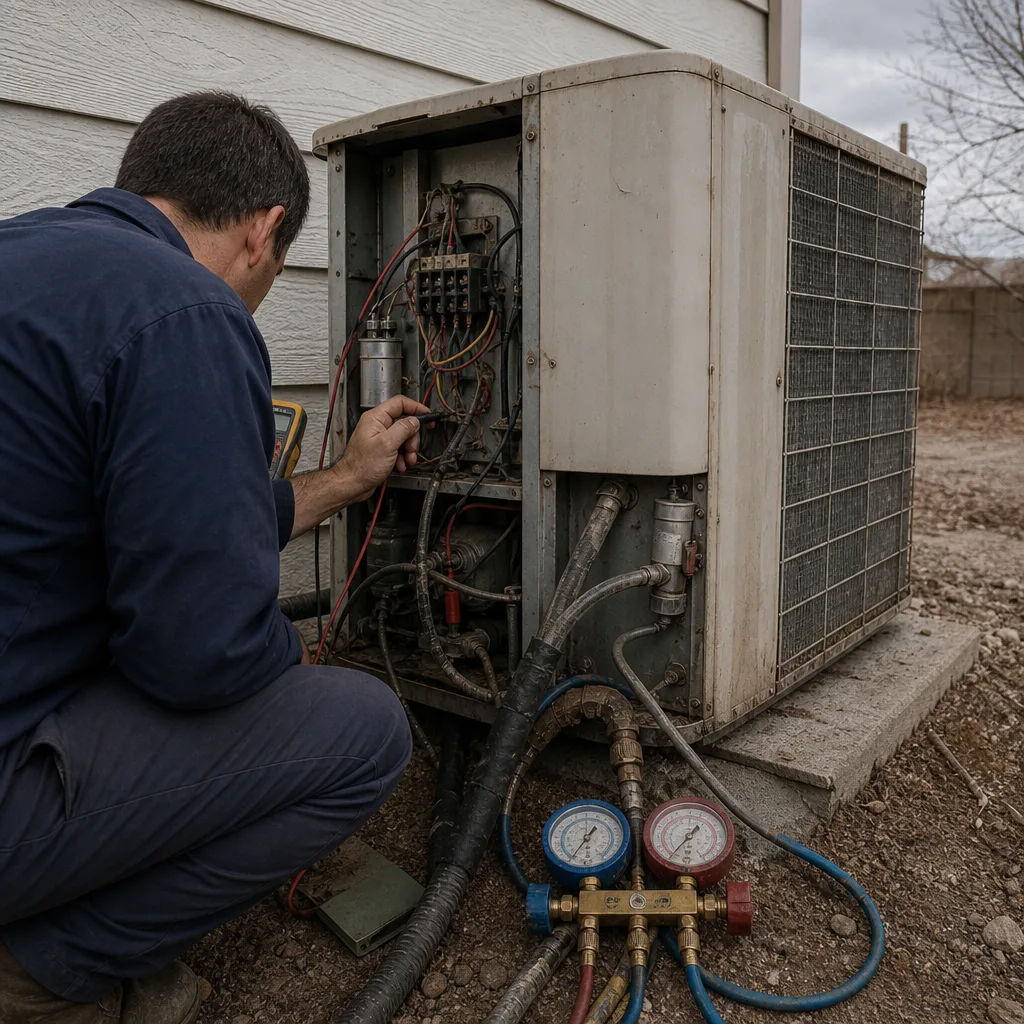 Before
 After
 Before
 After
 Before
 After
When to Call a Professional
Some things are DIY and some aren’t. Call a professional when the system won’t start, trips the breaker, blows warm air with the thermostat calling for cool, shows standing water in the drain pan, or produces noises that aren’t normal (grinding, screeching, a hum with no cooling). Also call when refrigerant has been added more than once and a leak hasn’t been found, or when the annual electric checks turn up a part out of spec. Refrigerant handling, electrical components, and compressor work all carry real risk, and they’re jobs for a trained technician. Here in Boulder City homeowners can reach a specialist who works only on AC and knows the brands common in local homes. AC Repair Boulder City offers free estimates in Boulder City – call (888) 906-2267. We answer 24/7. Fast dispatch from 7am to 7pm, Sunday through Friday. Our technicians have up to 12 years of experience, and they’re trained on the equipment you actually own, from Trane and Lennox to Goodman and Rheem.
Frequently Asked Questions
Once a year at minimum, and given how long the cooling season runs here, we recommend treating that annual visit as essential rather than optional. A system running eight to ten months a year accumulates more run hours than one in a milder climate, so a single check catches more wear per year than it would elsewhere. Call (888) 906-2267 to schedule a service visit – estimates are free.
Heat is the primary killer of electrical components, and a capacitor spends its life sitting in a hot outdoor unit that runs for most of the year. That constant thermal stress shortens its service life significantly compared to a moderate climate. It’s why we check capacitance and contactor condition on every annual visit rather than waiting for the system to fail.
You can’t measure it safely without certification and gauges, but you can read the manufacturer’s superheat and subcooling specs on the unit and ask your technician to show you the measured values against them. That’s the right way to verify a charge diagnosis. If a technician recommends adding refrigerant, ask to see those numbers. Call (888) 906-2267 with questions – estimates are free.
The outdoor condenser coil should be checked and cleaned at least twice during the cooling season in Boulder City, and more often near open lots, dirt roads, or construction. Dust and fine particulate build up faster than a generic once-a-year schedule assumes. The indoor coil gets inspected and cleaned as needed during professional service.
Record the date, the parts inspected or replaced and why, any measured values the technician took, refrigerant added and whether a leak was found, and anything flagged as a concern to monitor. That history is what turns a stack of receipts into a pattern you can act on. It’s how you decide repair versus replacement on data.
For AC work, yes. A specialist’s technicians focus only on air conditioning, so they already know the equipment across the brands homeowners own and aren’t splitting attention across heating, plumbing, or electrical work. That usually means a faster diagnosis and the right fix rather than the easiest upsell. Call (888) 906-2267 – estimates are free.
The Bottom Line
An AC maintenance checklist for a Boulder City home is built around sustained heat, not a mild shoulder season. The electrical check, including capacitors and contactors, belongs on every annual visit. Coil cleaning needs a tighter schedule for dust. The drain line needs regular flushing through a long cooling season. Refrigerant charge should be verified against manufacturer superheat and subcooling specs. And every service visit should end with a written record. Do those things and you’ll predict failures instead of being surprised by them. AC Repair Boulder City handles AC repair, installation, and maintenance – your system, our expertise, from start to finish.
Call (888) 906-2267 for a free estimate. We answer 24/7. Fast dispatch from 7am to 7pm, Sunday through Friday.
Written by the team at AC Repair Boulder City.